.jpg)

Quick Navigation
- Introduction
- Why Include Shopping in Your Japan Tour?
- Tokyo Shopping Tour
- Osaka Shopping Tour
- Kyoto Shopping
- What to Buy
- Electronics Shopping Guide
- Cosmetics Shopping Guide
- Fashion Shopping Guide
- Souvenir Shopping
- Tax Free & Duty Free Guide
- Tokyo vs Osaka vs Kyoto
- Shopping Tips
- Student & Group Travellers
- Why EduTour
- Conclusion
- FAQs
- Latest Articles
Introduction: Japan Shopping Tour Guide
Quick Summary
Japan is one of the few destinations where shopping can become an important part of the travel experience without feeling separate from the culture. Tokyo brings together technology, street fashion, luxury retail and anime culture. Osaka is known for energetic shopping streets, food markets and practical retail. Kyoto offers something very different: traditional crafts, tea, ceramics, textiles, sweets and carefully made souvenirs.
A well-planned Japan shopping tour is therefore less about visiting as many stores as possible and more about matching each city with the products you actually want to buy.
For electronics and contemporary fashion, Tokyo and Osaka are usually the strongest choices. For traditional Japanese products and culturally meaningful gifts, Kyoto has a clear advantage. Visitors can also find cosmetics, snacks, character merchandise, stationery, kitchen goods and everyday Japanese products across all three cities.
This Japan shopping guide explains where to shop, what to buy, how tax-free shopping works, what to check before purchasing electronics, and how to organise shopping efficiently during a Tokyo–Osaka–Kyoto itinerary.
Why Include Shopping in Your Japan Tour?
Shopping in Japan offers more than international brands and souvenirs. It gives travellers access to products that reflect Japanese design, manufacturing, food culture, craftsmanship and popular culture.
A shopping-focused itinerary is particularly useful because different cities have different strengths.
Tokyo is best for:
Osaka is best for:
Kyoto is best for:
The biggest advantage of combining the three cities is variety. You do not have to choose between modern and traditional shopping.
Tokyo Shopping Tour – Best Places to Shop
Tokyo is the most diverse shopping destination on a typical Japan Tour Package. The city does not have one single shopping centre that covers everything. Instead, different districts specialise in different categories.
The official Tokyo tourism guide describes the city in much the same way: Ginza is associated with luxury, Akihabara with electronics and anime, while Shibuya and Shinjuku offer broader retail choices.
Shibuya
Shibuya is a strong choice for younger fashion, streetwear, cosmetics, lifestyle products and contemporary Japanese brands.
The area around Shibuya Station has department stores, fashion buildings, specialist shops and large retailers. It is particularly useful if your shopping list includes:
Shinjuku
Shinjuku is one of the most practical shopping districts for first-time visitors because you can combine department stores, fashion, cosmetics, books, electronics and everyday products around a major transport hub.
The area around Shinjuku Station includes major retail complexes and department stores, with different exits leading towards different shopping clusters.
Shinjuku works particularly well when you want to combine shopping with sightseeing because you can spend several hours in the area without making a separate cross-city journey.
Best for: fashion, cosmetics, department stores, books, lifestyle goods and general shoppingAkihabara – Best for Electronics & Anime
If your priority is Japan electronics shopping, Akihabara should be near the top of your list.
The district is famous for electronics, gaming, anime, manga, figures, collectibles and specialist hobby stores. JNTO also identifies Akihabara as one of Tokyo's main electronics shopping areas.
You can shop for:
However, do not assume every electronic product is automatically cheaper than in your home country. Compare the final price, warranty, model number, voltage compatibility and language support before paying.
Ginza – Luxury & Premium Shopping
Ginza is the place to consider when your priority is premium retail.
The district is home to major Japanese and international brands, department stores, flagship stores, jewellery retailers, cosmetics counters and specialist boutiques. Tokyo's official tourism guide highlights Ginza's luxury department stores and flagship retail environment.
Best for: luxury fashion, watches, jewellery, premium cosmetics, fine stationery and premium giftsIf your budget is limited, Ginza can still be worth visiting for window shopping and department-store food halls rather than luxury purchases.
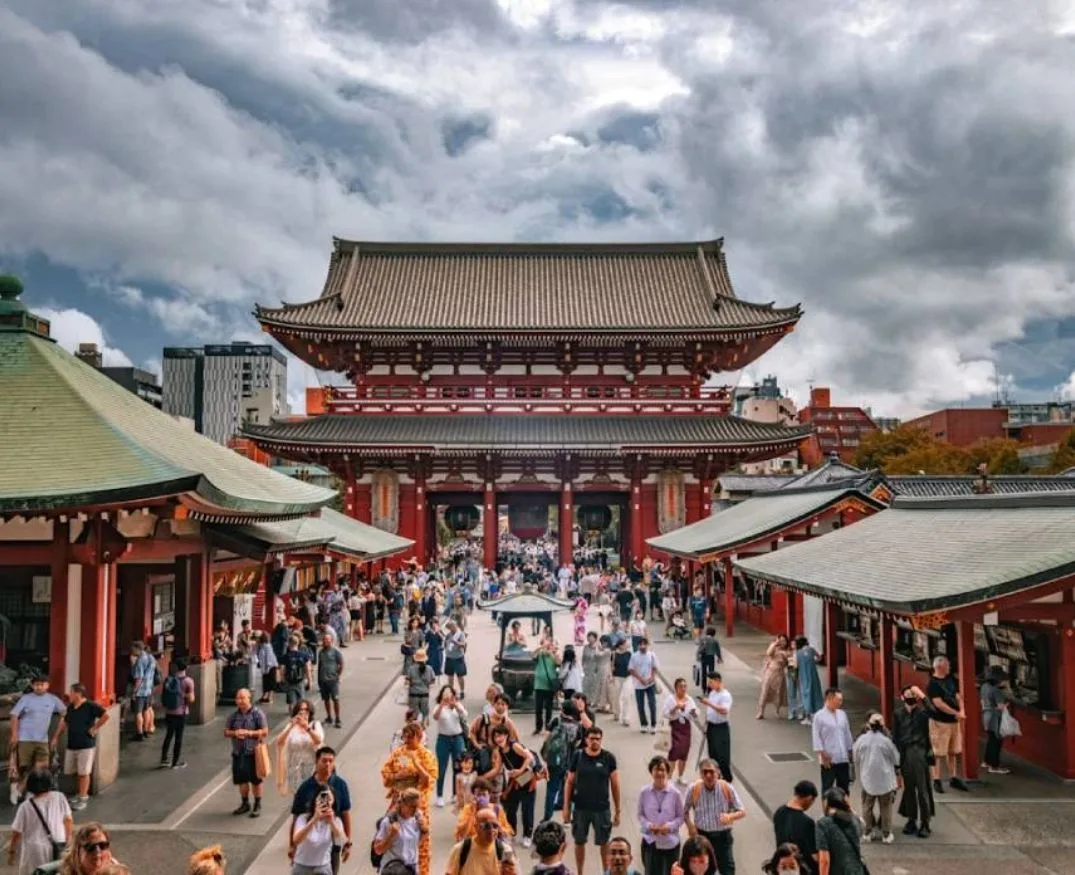
Asakusa & Nakamise Shopping Street
Asakusa is a better fit for travellers looking for traditional souvenirs rather than the latest technology.
The Nakamise area near Senso-ji is useful for folding fans, traditional-style crafts, small decorative items, Japanese sweets, souvenir snacks and small gifts.
This is one of the places where shopping and sightseeing naturally fit together. It is also useful when you need several small gifts for family, friends, classmates or colleagues.
Osaka Shopping Tour – Best Places to Shop
An Osaka shopping tour feels different from Tokyo. Osaka's retail areas often combine shopping, food and entertainment in the same neighbourhood.
JNTO identifies Dotonbori, Shinsaibashi and Osaka Station/Umeda as important shopping areas, while the Osaka Convention & Tourism Bureau maintains extensive listings of shopping streets, department stores and retail facilities.
Shinsaibashi
Shinsaibashi is one of Osaka's most important shopping districts.
Shinsaibashi-suji is a covered shopping arcade, while nearby Midosuji provides access to higher-end international and Japanese brands. The district also connects conveniently with Dotonbori and Amerikamura.
Best for: fashion, shoes, cosmetics, drugstores, department stores and affordable retailFor first-time visitors, Shinsaibashi is one of the easiest places to combine several shopping categories in one outing.
Dotonbori
Dotonbori is better known for its food and nightlife, but it is also a useful shopping stop.
The area is ideal for combining souvenir shopping, snacks, Osaka-themed gifts, cosmetics, character products, casual fashion and drugstore shopping.
The practical approach is to treat Dotonbori as part of a wider Namba–Shinsaibashi shopping route rather than spending an entire day there only for retail.
Umeda
Umeda is the northern commercial centre of Osaka and is particularly convenient if you are travelling through Osaka Station.
The area includes department stores, underground shopping areas, electronics retailers, fashion stores and large mixed-use complexes. Grand Front Osaka alone has approximately 260 stores covering fashion, lifestyle, beauty, food and other categories.
Best for: fashion, beauty products, lifestyle goods, electronics and premium food giftsWhity Umeda is another useful underground shopping area with a large mix of retail and services.
Kuromon Market
Kuromon Market is particularly useful for travellers interested in Japanese food products and market culture.
The market stretches for roughly 580 metres and has around 150 shops selling seafood, produce, prepared food and other goods. Official Osaka tourism information describes it as a historic market commonly associated with Osaka's food culture.
For gifts, look for suitable packaged foods rather than buying fresh products that may be difficult to transport internationally.
Kyoto Shopping – Best Places for Traditional Japanese Products
Kyoto is where a Japan shopping tour becomes strongly connected to Japanese craftsmanship and cultural products.
The city is particularly valuable for travellers who want souvenirs with a clear connection to Japanese traditions.
Nishiki Market
Nishiki Market is one of Kyoto's best-known food-shopping destinations.
The market runs for about 400 metres and offers ingredients, pickles, dried foods, sweets, Kyoto vegetables, yuba and other local products.
Kawaramachi
Kawaramachi and the surrounding Shijo area provide a more modern shopping experience.
You can find department stores, fashion, cosmetics, Japanese lifestyle products, souvenirs, restaurants and shopping arcades. Kyoto's official tourism guide identifies the Shijo-dori corridor between Kawaramachi and Karasuma as the city's major central shopping area.
This makes Kawaramachi useful when you want modern shopping without leaving Kyoto.
Gion
Gion is a better choice for atmosphere, traditional products and carefully selected souvenirs than for large-scale bargain shopping.
The nearby Gion and Kiyomizu areas have shops selling ceramics and other traditional goods, reflecting Kyoto's long craft tradition.
When shopping in Gion, remember that it is also a historic residential and cultural area. Respect local photography, pedestrian and privacy guidelines.
Kyoto Traditional Crafts & Souvenirs
Kyoto has a particularly strong craft identity. Traditional industries include textiles, dyeing, pottery, lacquerware, bamboo work, paper, metalwork and other specialised crafts.
Kyoto's official cultural resources note the importance of crafts such as Nishijin textiles, Kyo-yuzen dyeing and Kyoto-style pottery.
For visitors who want to understand what they are buying, the Kyoto Museum of Crafts and Design is useful because it presents Kyoto's traditional craft industries and their production methods.
What to Buy on a Japan Shopping Tour?
Your shopping list should depend on your interests and luggage capacity.
| Shopping Category | Best City | What to Look For |
|---|---|---|
| Electronics | Tokyo / Osaka | Cameras, accessories, gaming products |
| Anime & Gaming | Tokyo / Osaka | Figures, games, collectibles |
| Cosmetics | Tokyo / Osaka | Skincare, makeup, beauty tools |
| Fashion | Tokyo / Osaka | Japanese brands, streetwear, sneakers |
| Luxury | Tokyo | Watches, jewellery, designer goods |
| Traditional Crafts | Kyoto | Ceramics, textiles, fans, lacquerware |
| Food Gifts | Osaka / Kyoto | Packaged sweets, tea, snacks |
| General Souvenirs | All three | Character goods, stationery, small gifts |
A good rule is to buy bulky or heavy items only after you have checked your luggage allowance. Japan's retail packaging can also make purchases larger than expected.
Japan Electronics Shopping Guide
What Electronics Can You Buy?
Japan is particularly attractive for shoppers interested in:
However, buying electronics abroad requires more research than buying a souvenir.
Best Places for Electronics Shopping
Osaka's Nipponbashi Den-Den Town is often described by Osaka tourism resources as the western counterpart to Akihabara, with electronics, anime, toys and retro products.
Things to Check Before Buying Electronics in Japan
Do not purchase a product solely because the shelf price appears lower. Compare the final cost after exchange rates, taxes, warranty differences and accessories.
Japan Cosmetics Shopping Guide
Japanese beauty products are popular with international visitors because Japan has a large retail ecosystem covering skincare, makeup, haircare and personal-care products.
What Japanese Cosmetics Are Popular Among Tourists?
Availability and popularity change, so it is better to shop by product type and skin or beauty needs rather than relying entirely on viral product lists.
Where to Buy Japanese Cosmetics?
For Japan cosmetics shopping, look at drugstores, department-store beauty counters, major shopping centres, airport retail and large discount retailers. JNTO notes that Japanese drugstores commonly sell cosmetics and toiletries in addition to medicines, making them practical shopping stops for visitors.
Japan Fashion Shopping Guide
Japan offers several different fashion experiences, from affordable everyday clothing to luxury designer retail and independent Japanese labels.
Tokyo is particularly strong for fashion because different neighbourhoods serve different audiences.
JNTO identifies Amerikamura as an important area for youthful fashion and trends.
The key to good Japan fashion shopping is not simply buying a Japanese brand. Check fabric composition, sizing and washing instructions, particularly if Japanese sizing differs from what you normally wear.
Japan Souvenir Shopping – Best Gifts to Take Home
The best souvenirs are usually practical, lightweight and clearly connected to Japan.
Kyoto is especially strong for traditional gifts, while Tokyo offers an enormous range of character and contemporary merchandise. Osaka is excellent for food-related gifts.
JNTO also recommends considering airport shopping for last-minute gifts, with both Tokyo and Kansai airports offering souvenir, food, cosmetics and other retail options.
A useful souvenir rule
Before buying food, check shelf life, ingredients, packaging, country-of-origin information, airline luggage restrictions and import rules in your destination country.
For fragile souvenirs, ask the shop to wrap them securely and keep them in your carry-on when practical.
Japan Tax Free & Duty Free Shopping Guide
This is one of the most important parts of a Japan shopping tour, particularly if you plan to make expensive purchases.
What Is Tax-Free Shopping in Japan?
Japan's tax-free system allows eligible visitors to avoid or recover the consumption tax on qualifying purchases under specified conditions.
The rules are changing in 2026.
| Period | How It Works |
|---|---|
| Until October 31, 2026 | Qualifying international visitors can purchase eligible goods without paying the consumption tax at participating tax-free shops when the requirements are satisfied |
| From November 1, 2026 | Japan moves to a refund method — visitors initially pay the tax-inclusive price and receive the eligible consumption-tax amount after customs confirms at departure that the goods are being taken out of Japan |
This distinction matters if your trip crosses the October–November 2026 transition.
Who Can Shop Tax-Free?
Eligibility is based on Japanese immigration and tax rules, not simply on having a foreign passport. JNTO states that eligible categories include certain foreign visitors who are not residents of Japan, such as people entering with Temporary Visitor status, subject to the applicable requirements.
Always confirm your eligibility at the participating retailer because individual circumstances can affect the process.
How Does Japan Tax-Free Shopping Work?
For trips before November 1, 2026, the process generally involves:
For purchases from November 1, 2026, the procedure changes because the system moves to a refund model.
What Documents Do You Need?
For eligible international visitors, the passport is the key document for tax-free shopping under the current system. Keep your passport, purchase receipts, tax-free purchase records and relevant refund documentation after the November 2026 change.
Do not assume a photocopy or photograph of your passport will always be accepted.
Duty-Free vs Tax-Free Shopping in Japan
These terms are often used interchangeably, but they are not identical.
Tax-free shopping generally refers to exemption or refund of Japan's consumption tax under the visitor tax system. Duty-free shopping can refer to purchases made under customs-related exemptions, particularly at international airports or other designated duty-free environments. The conditions, eligible products and procedures can differ.
For a normal city shopping trip, what travellers commonly need to understand is the tax-free shopping system at participating retailers.
Tokyo vs Osaka vs Kyoto – Which City Is Best for Shopping?
There is no single winner because the three cities serve different shopping needs.
| City | Best For | Shopping Style | Recommended For |
|---|---|---|---|
| Tokyo | Electronics, fashion, luxury, anime | Huge and specialised | First-time shoppers with broad interests |
| Osaka | Food, fashion, electronics, affordable retail | Lively and practical | Budget-conscious shoppers and groups |
| Kyoto | Crafts, tea, ceramics, cultural gifts | Traditional and curated | Souvenir and culture-focused shoppers |
Best option for a multi-city trip
If your itinerary already includes all three cities, do not repeat the same shopping in every location. A more efficient approach is:
Electronics + fashion + character goods.
Food + practical shopping + additional electronics.
Crafts + tea + traditional souvenirs.
That gives your shopping itinerary a clear purpose in each city.
Japan Shopping Tips for First-Time Visitors
Japan Shopping Tour for Student & Group Travelers
Shopping becomes more complicated when travelling with a school, college or large group.
A group should not simply release everyone into a busy shopping district without clear instructions.
For student and group travel, establish:
For younger students, smaller shopping assignments can also turn shopping into a practical learning activity.
For example, students can compare Japanese packaging, product pricing, currency conversion, brand positioning, traditional versus modern products, retail design, customer service and Japanese manufacturing.
This fits naturally with the educational-tour approach because the purpose is not only to purchase products but also to observe how Japanese retail, technology, design and culture work in practice.
How EduTour Can Help With Your Japan Tour
For schools, colleges and organised groups, shopping needs to fit the wider itinerary rather than compete with educational visits and sightseeing.
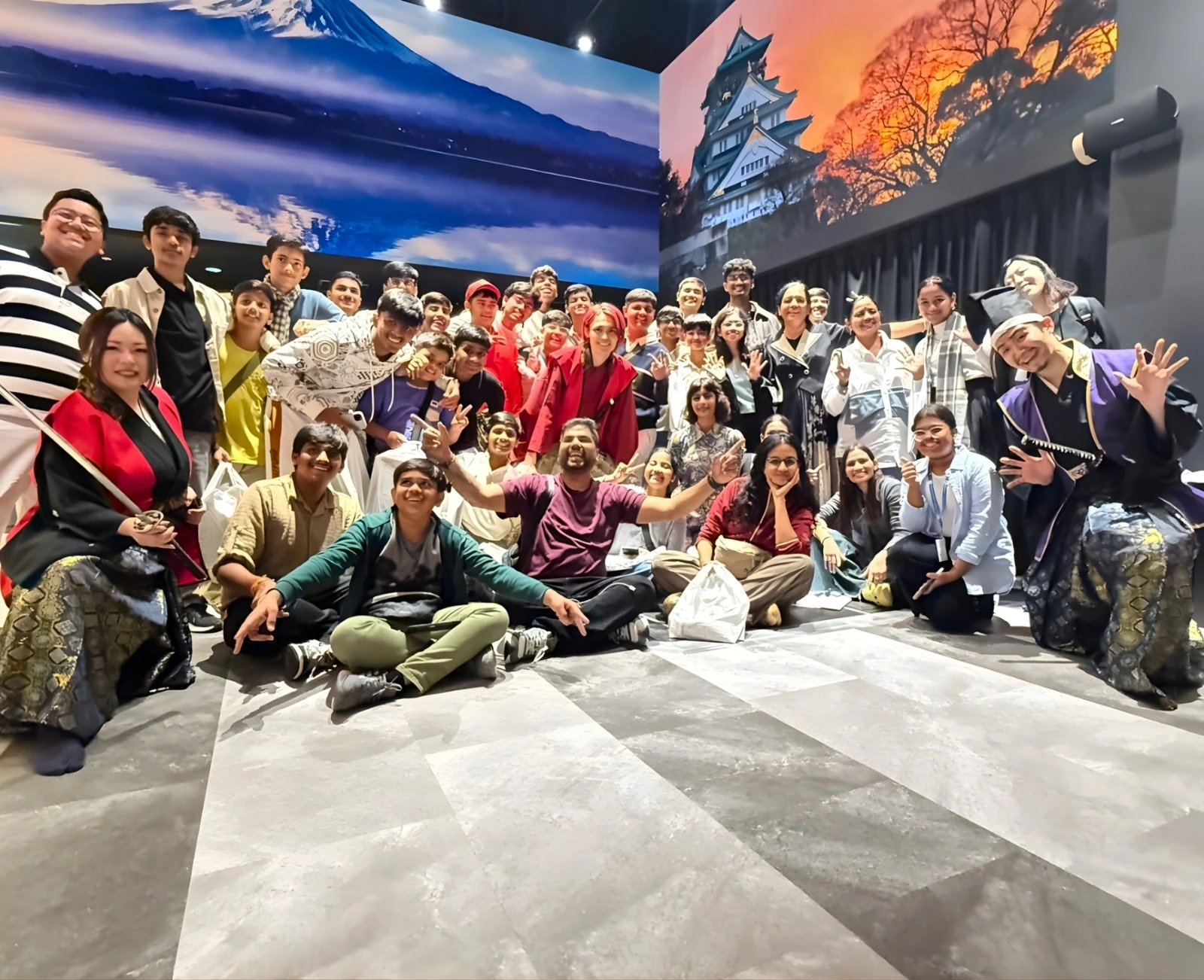
EduTour focuses on educational and group travel and currently offers Japan group-tour programmes for students and academic groups. Its Japan tour information emphasises technology, discipline, culture, education and practical exposure rather than treating the trip as a standard sightseeing holiday.
A well-planned group itinerary can allocate shopping according to the group's age, interests and available free time. For example:
The company also lists dedicated support for educational travel and group tours, with offices in India and Japan.
For group-specific arrangements, shopping requirements, itinerary planning or Japan tour assistance, it is sensible to confirm the details before departure rather than assuming that every shopping district will work equally well for a large group. You can find more details at https://www.edutour.org.in/japan.php.
Plan Your Japan Shopping Tour
A good Japan shopping tour should be organised around what each city does best.
Tokyo is the strongest choice for electronics, fashion, anime, cosmetics and luxury retail. Osaka combines shopping with food, entertainment and practical retail, making it particularly convenient for groups and value-focused travellers. Kyoto offers the strongest connection to traditional Japanese crafts, tea culture, ceramics, textiles and culturally meaningful souvenirs.
The biggest mistake is trying to shop everywhere for everything. Decide what you want before travelling, assign categories to different cities and leave enough luggage space for your purchases.
Tax-free shopping also deserves special attention in 2026 because Japan's system is changing on November 1. The rules that apply before that date are not identical to the refund process introduced afterward.
Whether you are travelling independently, with family or as part of a student group, a little planning can make shopping more efficient and prevent common problems with luggage, electronics, receipts, customs and tax procedures.
Frequently Asked Questions
Q1. What is the best city for shopping in Japan?
Tokyo is the best choice for variety. You can shop for electronics, fashion, cosmetics, anime products, luxury brands and souvenirs in different shopping districts across the city.
Q2. Is Tokyo or Osaka better for shopping?
Tokyo offers more variety, especially for fashion, electronics and luxury shopping. Osaka is great for affordable shopping, food, cosmetics and lively shopping streets such as Shinsaibashi and Dotonbori.
Q3. What is the best thing to buy in Japan?
Popular purchases include Japanese cosmetics, electronics, snacks, stationery, fashion, tea, ceramics and traditional crafts. Kyoto is particularly good for cultural souvenirs, while Tokyo has more modern and character-based products.
Q4. Is Japan good for electronics shopping?
Yes. Tokyo's Akihabara and Osaka's Den-Den Town are well known for electronics. Before buying, check the model, voltage, warranty, plug type and whether the product will work in your home country.
Q5. Can tourists get tax-free shopping in Japan?
Yes, eligible tourists can shop tax-free at participating stores when they meet the required conditions. Japan's system is scheduled to change to a refund process from November 1, 2026.
Q6. Where is the best place for souvenir shopping in Japan?
Kyoto is excellent for traditional souvenirs such as ceramics, tea, fans and crafts. Tokyo has more anime and character goods, while Osaka is a good choice for local snacks and food gifts.
Q7. Is Kyoto good for shopping?
Yes. Kyoto is especially good for traditional crafts, ceramics, tea, sweets and cultural souvenirs. Kawaramachi, Nishiki Market, Gion and the Kiyomizu area are useful places to explore.
Q8. How many days do you need for a Japan shopping tour?
Two to three shopping days are enough for a focused trip. If you want to shop across Tokyo, Osaka and Kyoto while also sightseeing, around seven to ten days gives you more flexibility.