.webp)


Introduction
Engineering education has always balanced theory and application. Students learn about thermodynamics, automation, embedded systems, structural design, biomedical instrumentation, artificial intelligence and production management in classrooms. They perform laboratory experiments, complete academic projects and study case examples. Yet, one essential element often remains limited direct exposure to advanced global industries.
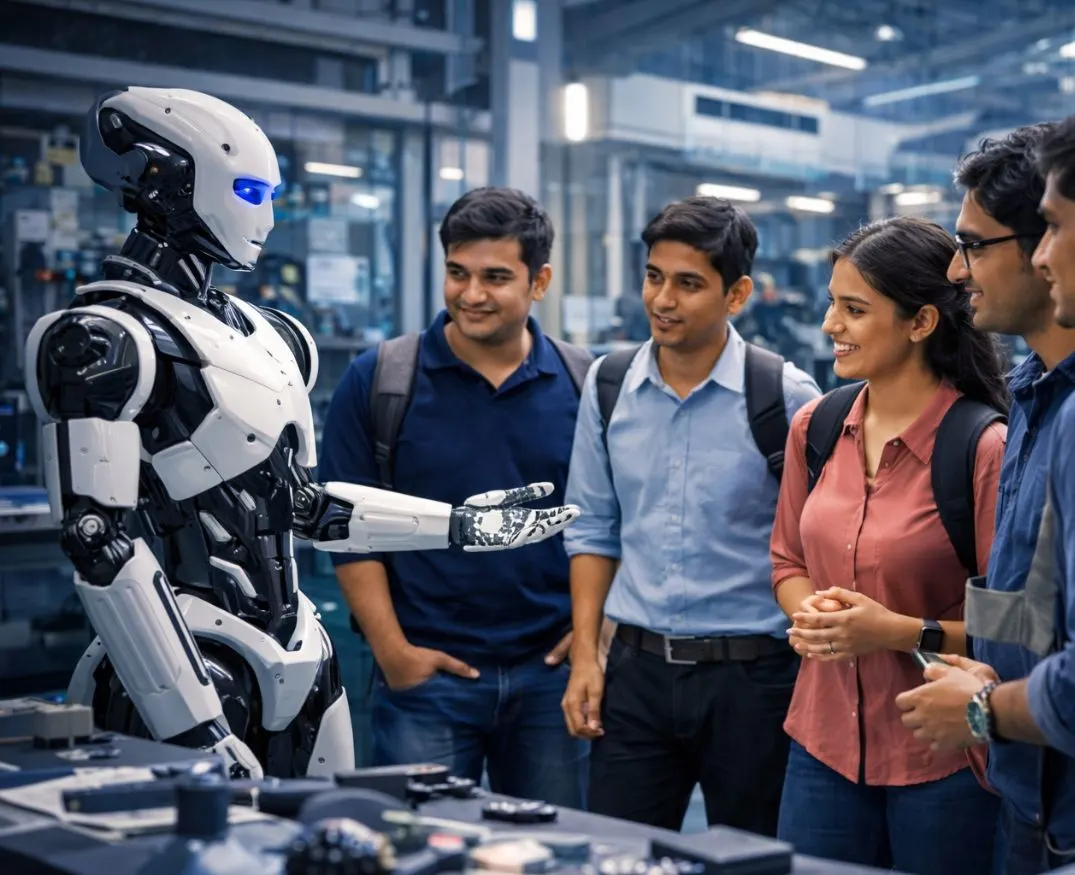
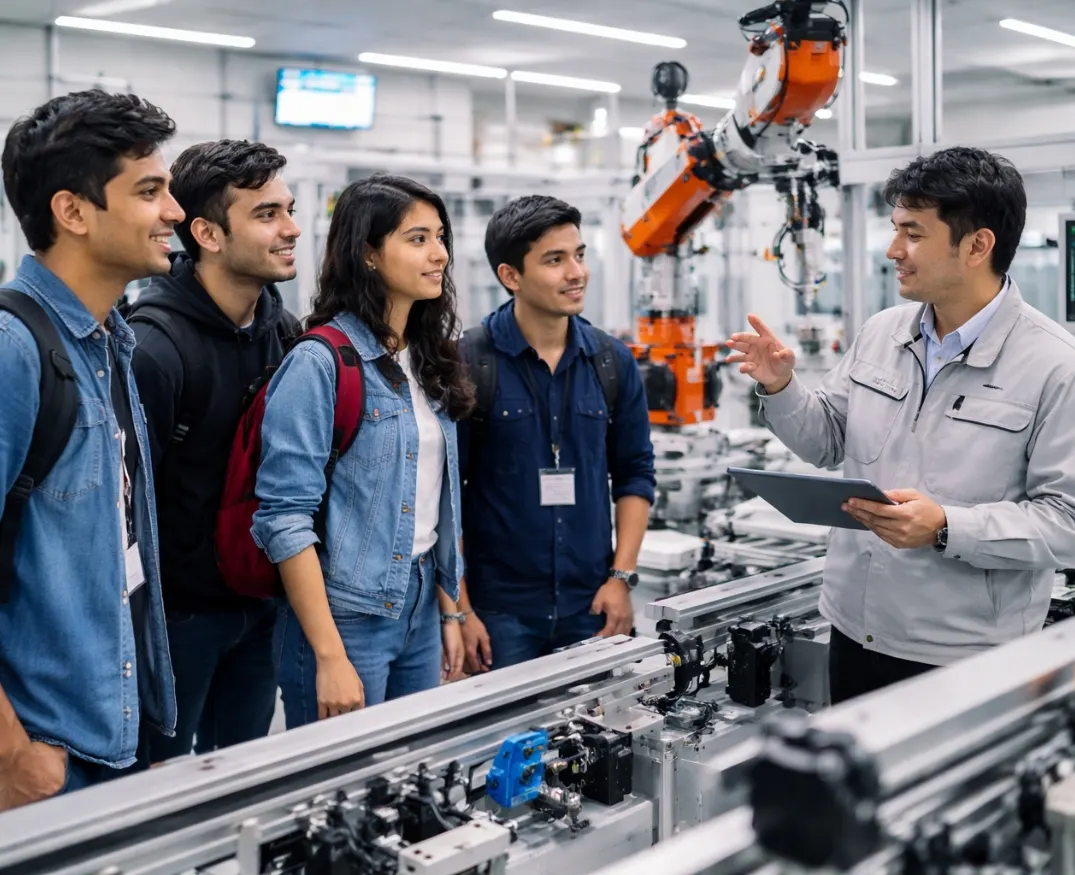
When students observe high-precision robotics assembling vehicles, automated inspection systems detecting microscopic defects or aerospace research facilities designing satellite components, learning transforms into real understanding. This is where a Japan Industrial Tour becomes a powerful academic experience rather than just an international trip.
Japan stands among the most technologically advanced nations in the world. Its reputation in robotics, automotive engineering, semiconductor manufacturing, biomedical equipment and infrastructure development is globally recognized. For engineering colleges, medical institutions, polytechnic institutes and academic partners seeking meaningful international exposure, a structured Japan Industrial Tour Package for Engineering Students provides practical insight into how world-class industries operate.
This guide offers a complete overview of planning, understanding and executing a well-structured industrial learning program in Japan. It covers everything from itinerary planning and cost considerations to academic benefits and documentation requirements helping students and institutions make informed decisions.
What is a Japan Industrial Tour Package?
A Japan Industrial Tour Package is a structured academic travel program designed specifically for students who want to gain exposure to advanced industries and technology ecosystems. Unlike a standard Japan Tour Package that focuses on sightseeing and leisure activities, this program emphasizes factory visits, research facilities, automation centers and technical learning sessions.
The purpose of such a program is educational. It bridges the gap between classroom learning and real-world industrial practices.
A well-designed Japan Industrial Tour typically includes:
| ✓ Visits to advanced manufacturing plants | ✓ Industry-focused presentations or guided demonstrations |
| ✓ Exposure to robotics and automation laboratories | ✓ Observation of production systems and quality control methods |
| ✓ Interaction with technical innovation centers | ✓ Cultural orientation to understand work ethics and discipline |
During a Japan Industrial Visit, students observe lean production systems, standardized workflows, safety protocols and automation technologies that define modern manufacturing.
Colleges often organize an Industrial Tour Japan program in batches, ensuring coordinated logistics and structured academic engagement. This format is particularly beneficial for mechanical, electrical, electronics, civil, computer science, biomedical and management students.
Why Japan is the Best Destination for Engineering Industrial Tours
Choosing the right country for international industrial exposure is critical. While several nations offer factory visits and study tours, Japan provides a unique combination of technological leadership, operational excellence and disciplined work culture.
Advanced Manufacturing & Robotics
Japan is globally known for its leadership in robotics and high-precision manufacturing. From automotive assembly lines to electronic component production units, automation is seamlessly integrated into operations.
Students participating in a Japan Factory Visit often witness:
| ✓ Robotic arms performing synchronized assembly tasks | ✓ Real-time production monitoring dashboards |
| ✓ Laser-guided quality inspection systems | ✓ Highly organized and clean factory layouts |
| ✓ Automated material handling equipment |
For mechanical and production engineering students, observing these systems firsthand deepens their understanding of automation design and efficiency management.
Japanese industries are also known for Kaizen, a philosophy of continuous improvement. Rather than large, disruptive changes, Japanese companies focus on incremental enhancements that lead to long-term excellence. Understanding this mindset adds immense value to academic learning.
Industry 4.0 & Automation Exposure
Industry 4.0 refers to the integration of digital technologies into manufacturing processes. In Japan, this integration is not theoretical it is operational.
A structured Japan Industrial Tour Package may provide exposure to:
| ✓ Smart factories with IoT-enabled machinery | ✓ Predictive maintenance systems |
| ✓ Cloud-based production monitoring systems | ✓ Automated inventory tracking |
| ✓ AI-driven quality control solutions |
Students studying robotics, artificial intelligence, electronics or data engineering gain insight into how software and hardware collaborate in real industrial environments. Observing these technologies in operation helps students visualize their future career paths and understand the expectations of global employers.
Global Learning Environment
Japan's professional culture is built on discipline, punctuality and precision. Students experience a work environment where every process follows structured protocols.
Through a Japan Educational Tour, participants learn about:
| ✓ Workplace ethics | ✓ Safety compliance |
| ✓ Time management | ✓ Respect-driven corporate culture |
| ✓ Standard operating procedures |
This exposure goes beyond technical learning. It shapes students' professional attitudes and prepares them for international work environments.
What's Included in a Japan Industrial Tour Package?
A comprehensive Japan Industrial Tour Package for Engineering Students typically covers all major components required for a safe and productive experience.
Airfare
Round-trip economy class tickets from major Indian cities to Japan.
Accommodation
Comfortable hotel stays in major cities such as Tokyo and Osaka.
Industrial Visits
Pre-arranged entry to selected manufacturing units, innovation centers or research facilities.
Technical Exposure Sessions
Guided demonstrations or presentations explaining production systems and automation technologies.
Local Transportation
Chartered buses, metro access and high-speed rail travel for intercity movement.
Meals
Daily breakfast, lunch and dinner arrangements to ensure convenience for student groups.
Visa Assistance
Guidance in preparing documentation and submitting visa applications.
Tour Management
English-speaking guides and coordinators to manage schedules and logistics.
When organized as a Japan Industrial Group Tour, the package may be customized according to the department's academic specialization.
Japan Industrial Tour Package Itinerary
Below is the detailed itinerary based strictly on the official tour brochure provided by Edutour Global Private Limited. This itinerary covers 8 days / 7 nights with 3 nights in Tokyo and 3 nights in Osaka, including industrial exposure, technology visits and cultural experiences.
Day 1: Mumbai / Delhi – Tokyo
| ✓ Departure from Mumbai or Delhi to Tokyo (Haneda Airport – HND) | ✓ Meals served onboard by the airline |
| ✓ Direct or one-stop economy class flight included in the package |
This day is primarily for international travel and arrival preparation.
Day 2: Tokyo – City Orientation
| ✓ Arrival at Haneda Airport (HND) | ✓ Walk through Nakamise Shopping Street |
| ✓ Meet and greet with English-speaking tour guide | ✓ Visit Tokyo Skytree (350m observation deck) |
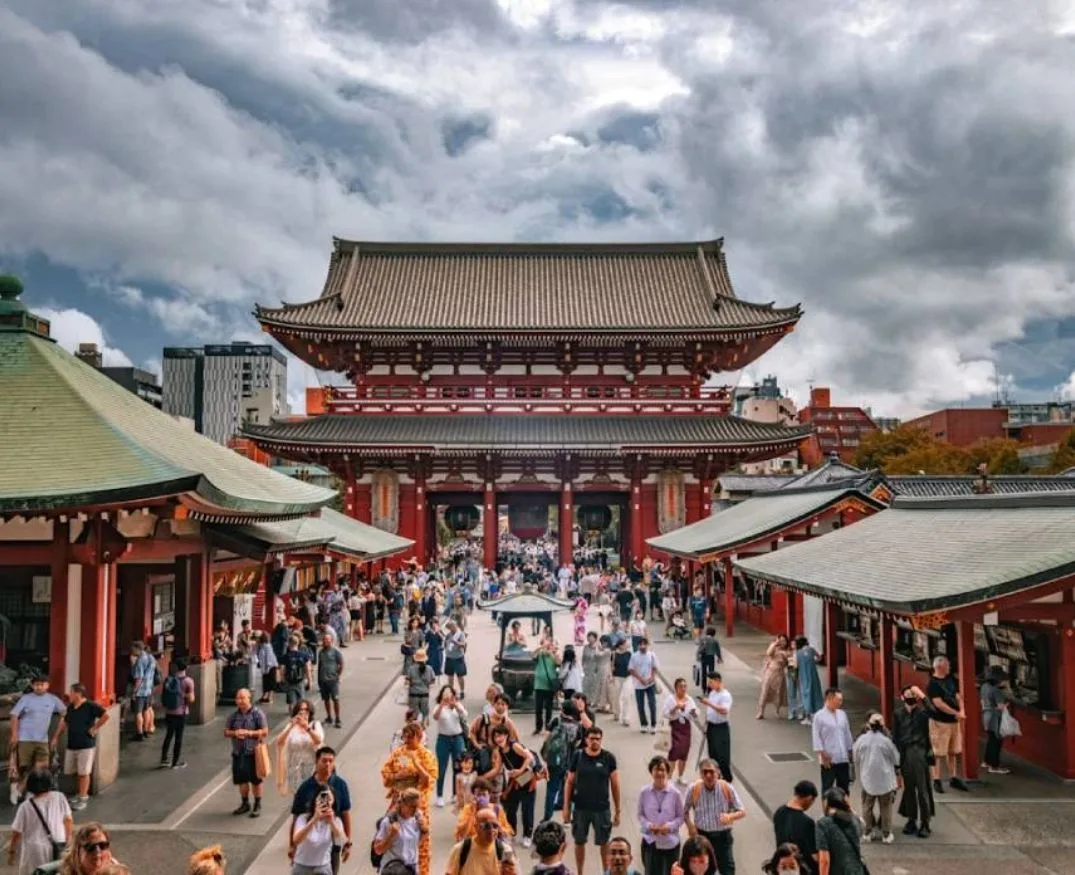
| ✓ Visit to Asakusa | ✓ Transfer to hotel and check-in |
| ✓ Visit Sensoji Temple | ✓ Dinner at restaurant – Overnight stay in Tokyo |
Meals: Dinner
Day 3: Tokyo – Tsukuba – Tokyo
| ✓ Breakfast at hotel | ✓ Lunch at restaurant |
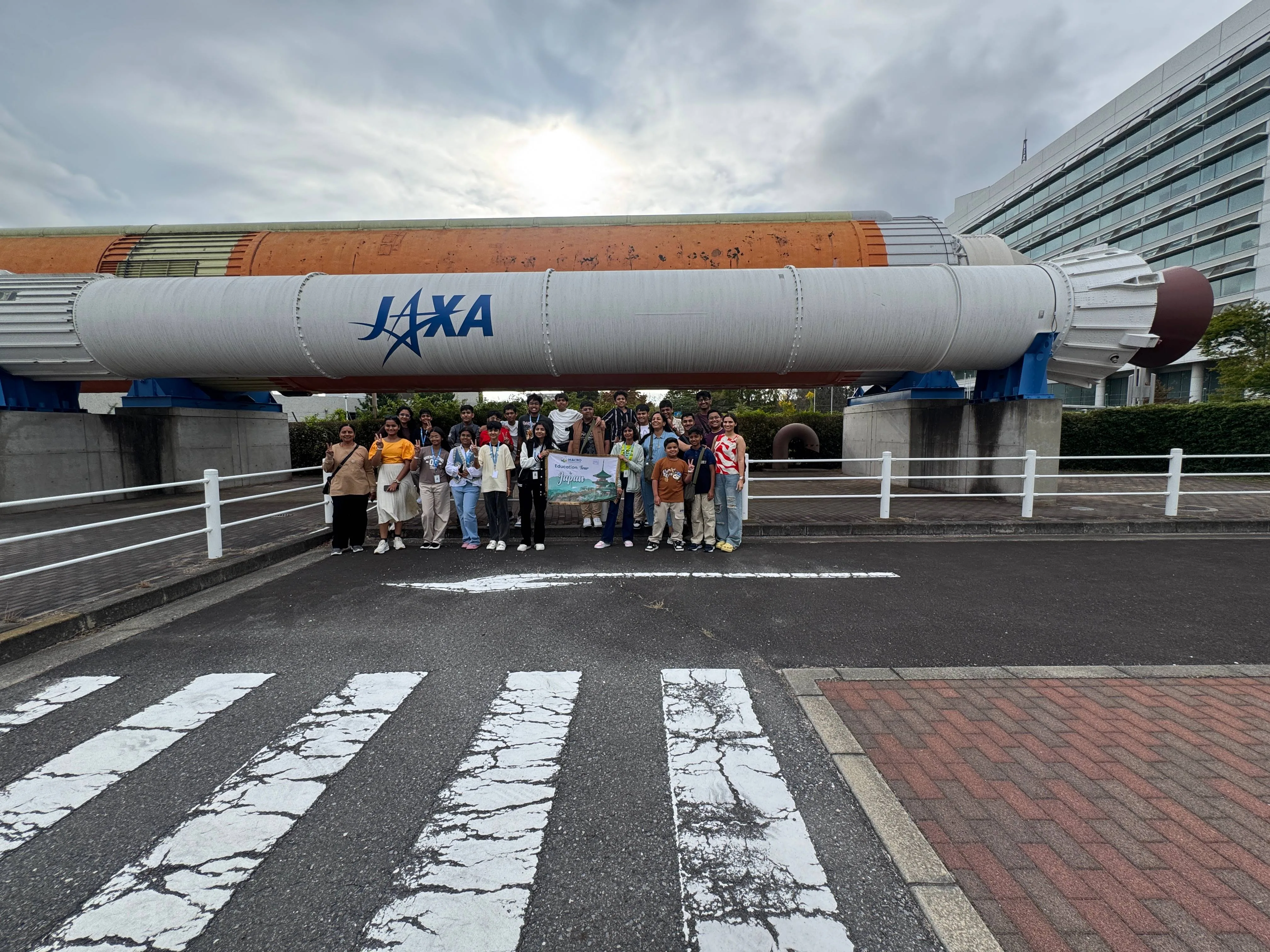
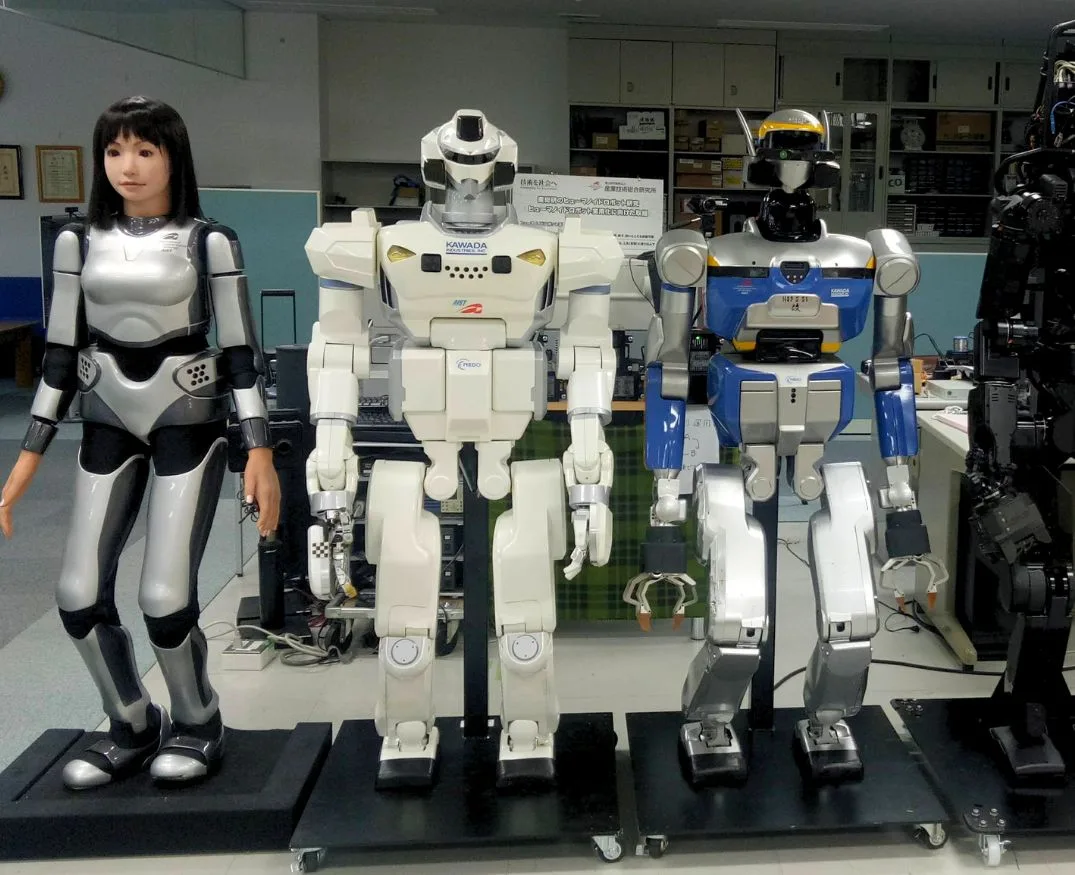
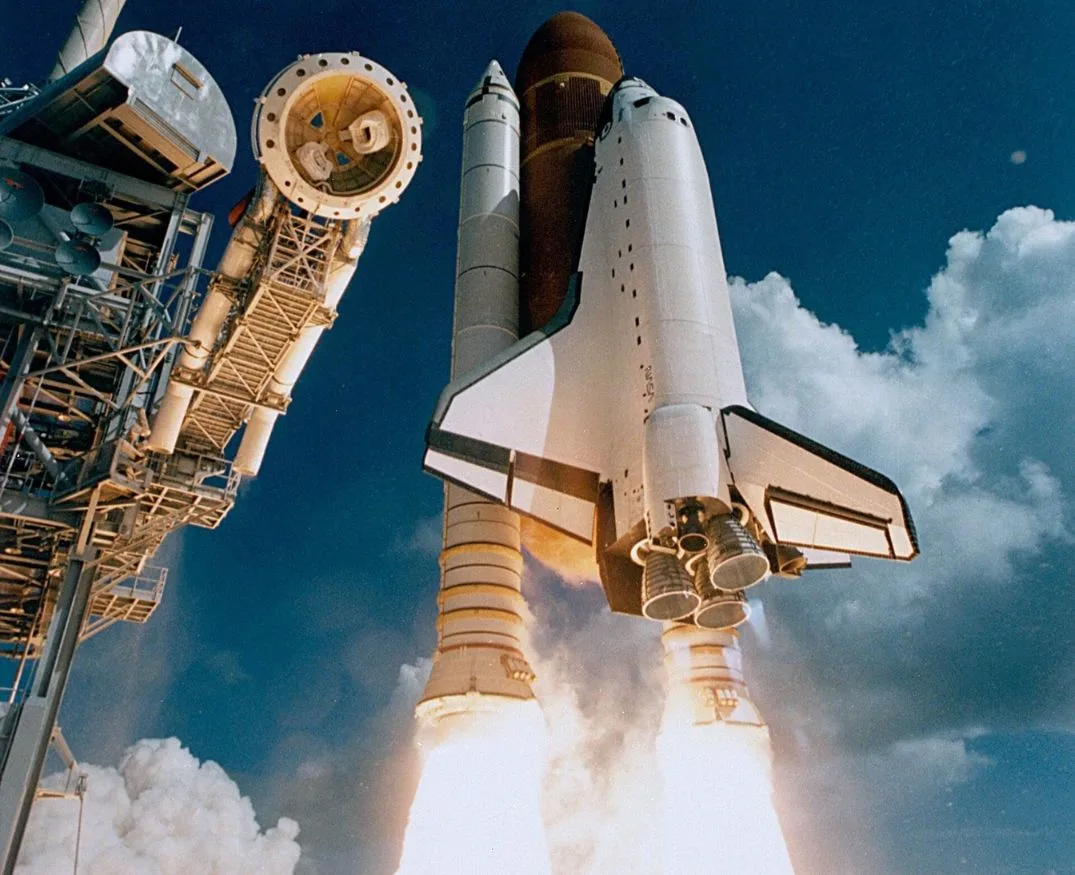
| ✓ Visit TEPIA Advanced Technology Gallery (Robotics Workshop for Students) | ✓ Visit JAXA (Japan Aerospace Exploration Agency) |
| ✓ Introduction to advanced technologies | ✓ Return to Tokyo |
| ✓ Exposure to robotics and innovation systems | ✓ Dinner at restaurant – Overnight stay in Tokyo |
Meals: Breakfast + Lunch + Dinner
Day 4: Disneyland Experience
| ✓ Breakfast at hotel | ✓ Lunch allowance: 1000 JPY cash |
| ✓ Full-day visit to Disneyland | ✓ Evening pickup and transfer for dinner |
| ✓ General admission ticket included | ✓ Overnight stay in Tokyo |
Meals: Breakfast + Lunch (Cash) + Dinner
Day 5: Tokyo – Mt. Fuji – Hakone – Osaka
| ✓ Breakfast at hotel – Check out from Tokyo hotel | ✓ Hakone Ropeway experience |
| ✓ Visit Mt. Fuji 5th Station | ✓ Lake Ashi Cruise |
| ✓ Early lunch | ✓ Evening bullet train (Shinkansen) to Osaka via Nagoya |
| ✓ Visit Owakudani Valley (Hakone region) | ✓ Dinner at restaurant – Hotel check-in in Osaka |
Meals: Breakfast + Lunch + Dinner
Day 6: Osaka – Kyoto – Osaka
| ✓ Breakfast at hotel – Transfer to Kyoto | ✓ Traditional tea ceremony experience |
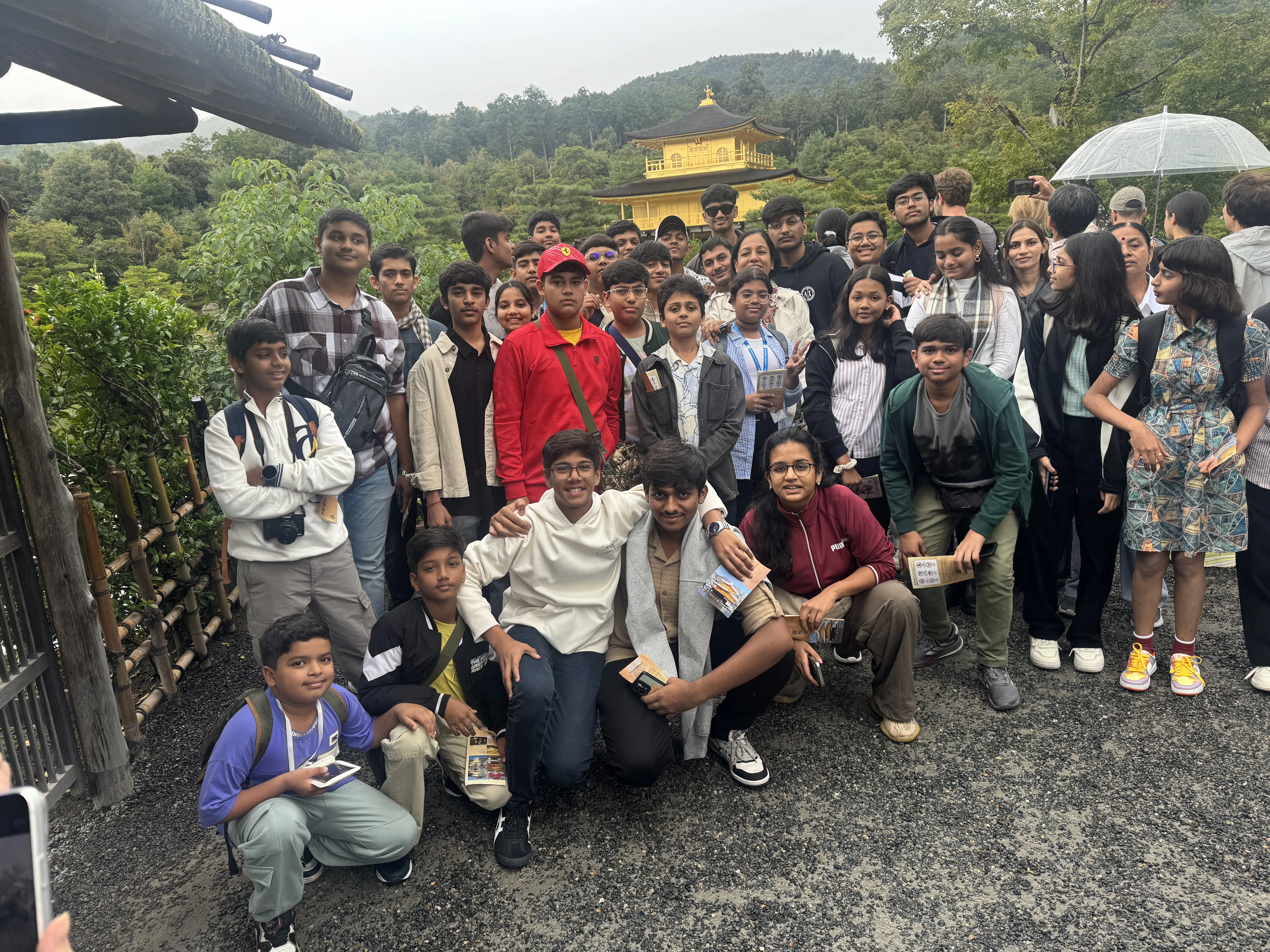
| ✓ Visit Kinkakuji Temple | ✓ Return to Osaka – Visit Shinsaibashi Market |
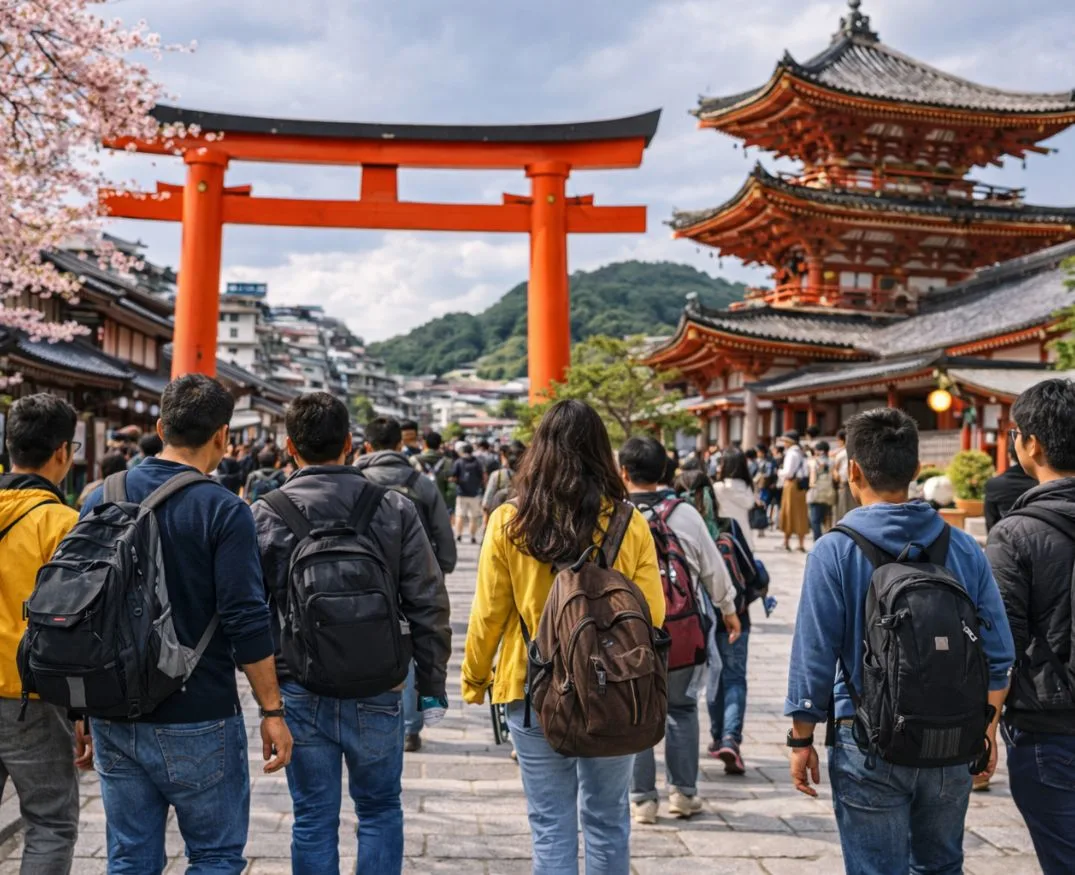
| ✓ Visit Fushimi Inari Shrine | ✓ Dinner at restaurant |
| ✓ Japanese art culture session | ✓ Overnight stay in Osaka |
Meals: Breakfast + Lunch + Dinner
Day 7: Osaka – Nara – Osaka
| ✓ Breakfast at hotel | ✓ Visit NIFREL |
| ✓ Visit Nara Deer Park | ✓ Visit Osaka Castle |
| ✓ Visit Todai-ji Temple | ✓ Visit Umeda Sky Building |
| ✓ Lunch at Indian restaurant | ✓ Dinner at restaurant – Overnight stay in Osaka |
Meals: Breakfast + Lunch + Dinner
Day 8: Osaka – Mumbai / Delhi
| ✓ Check out from Osaka hotel | ✓ Packed breakfast if departure is before 10:30 AM |
| ✓ Transfer to Kansai International Airport (KIX) | ✓ Hotel breakfast if departure is after 10:30 AM |
| ✓ Flight back to Mumbai or Delhi (Economy class) |
Meals: Breakfast
Japan Industrial Tour Cost from India
The cost of a Japan Industrial Tour depends on several factors:
| ✓ Duration of stay | ✓ Group size |
| ✓ Number of factory visits | ✓ Customization level |
| ✓ Travel season | ✓ Hotel category |
On average, the Japan Industrial Tour cost from India ranges between INR 1.8 lakhs and INR 2.8 lakhs per student for a standard 7–8 day program. This typically includes:
| ✓ International airfare | ✓ Local transportation |
| ✓ Visa assistance | ✓ Entry to industrial facilities |
| ✓ Accommodation | ✓ Tour management |
| ✓ Meals |
Institutions booking under Japan Group Tour Packages may benefit from cost optimization due to group rates.
Benefits of Japan Industrial Tour for Engineering Students
Participation in a structured industrial learning program offers long-term academic and professional advantages.
Practical Understanding
Students observe how theoretical principles translate into real production processes.
Exposure to International Standards
Understanding global benchmarks enhances academic perspective.
Career Development
International industrial exposure strengthens resumes and interview discussions.
Confidence Building
Traveling abroad for academic purposes improves communication skills and independence.
Institutional Growth
Colleges organizing a Japan Industrial Tour for Students enhance their academic credibility and attract prospective students.
Who Can Join This Tour?
| ✓ Mechanical engineering students | ✓ Robotics and automation learners |
| ✓ Electrical and electronics students | ✓ Biomedical and medical equipment students |
| ✓ Civil engineering students | ✓ Polytechnic and diploma students |
| ✓ Computer science students | ✓ MBA operations and management students |
Academic institutions can arrange department-specific Japan Industrial Group Tour programs tailored to their curriculum.
Documents Required for Japan Industrial Tour
| ✓ Valid passport (minimum six months validity) | ✓ Financial documents as required |
| ✓ Recent passport-size photographs | ✓ Travel insurance |
| ✓ Bonafide certificate from institution | ✓ Confirmed flight and accommodation details |
| ✓ Completed visa application form |
Most tour providers assist students throughout the documentation process.
Conclusion
A Japan Industrial Tour represents more than international travel. It is an opportunity to observe advanced manufacturing systems, robotics integration, research excellence and professional discipline at a global level.
For engineering students, the exposure gained during a structured Japan Industrial Tour Package for Engineering Students strengthens technical understanding and career readiness. For colleges and academic partners, organizing such a program demonstrates commitment to global learning standards.
Investing in international industrial exposure today prepares students for tomorrow's technological challenges.
FAQs
1. What makes a Japan Industrial Tour different from a regular Japan tour?
A Japan Industrial Tour focuses on factory visits, technical workshops and industrial exposure rather than only sightseeing, making it ideal for engineering and technical students seeking practical learning experience.
2. How long is a typical Japan Industrial Tour Package?
Most Japan Industrial Tour Packages are designed for 7 to 8 days, including multiple industrial visits, technology exposure sessions and limited cultural exploration activities.
3. Is a Japan Industrial Visit suitable for medical students?
Yes, medical equipment and biomedical engineering students benefit greatly from exposure to Japan's advanced healthcare technology and precision manufacturing systems.
4. What is the ideal group size for a Japan Industrial Group Tour?
A group of 20–40 students is generally ideal for smooth coordination, cost efficiency and effective management during industrial and factory visits.
5. When is the best time to plan an Industrial Tour Japan program?
The best time is between March–May and September–November when weather conditions are comfortable and industrial visits operate smoothly without peak holiday disruptions.