.jpg)

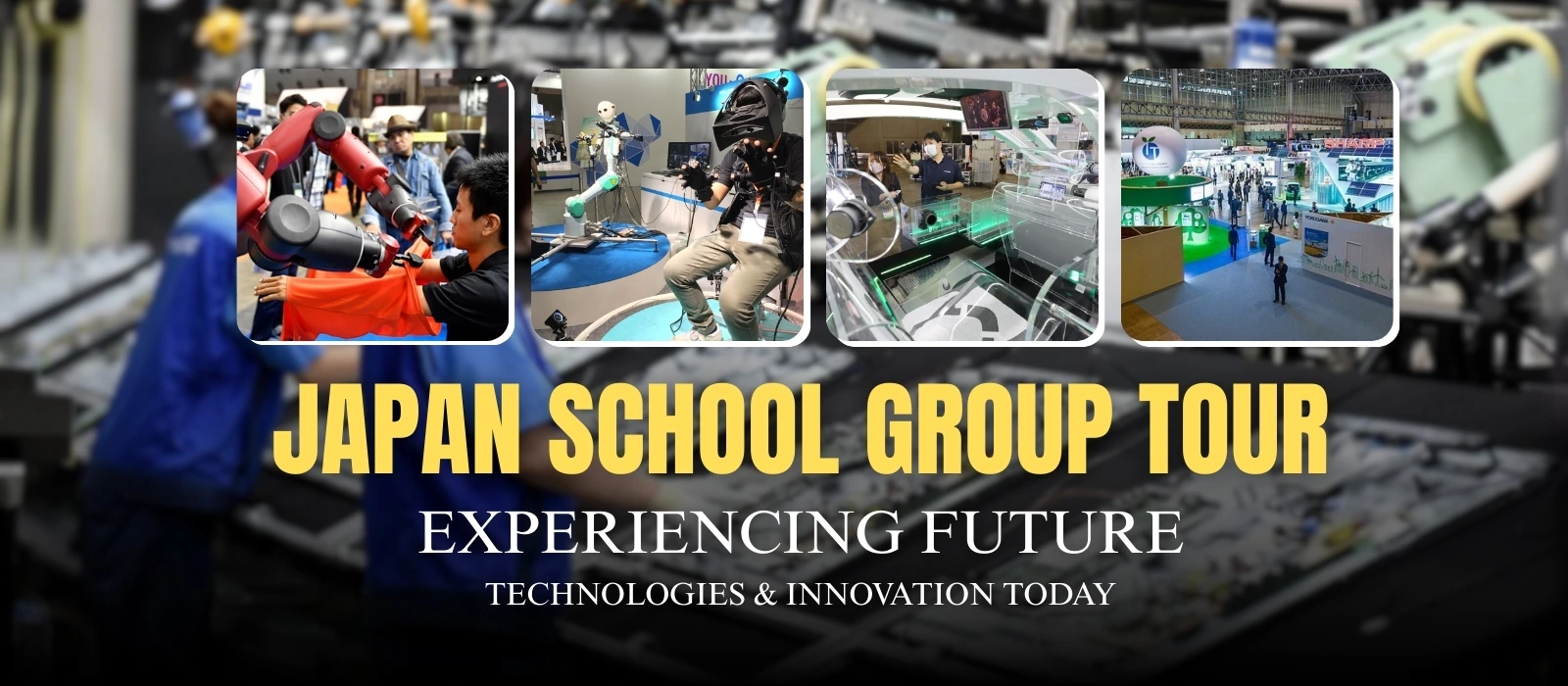
Japan School Group Tour: Experiencing Future Technologies & Innovation Today
For students who dream of robotics, artificial intelligence, smart cities, and future technologies, Japan feels almost unreal. Bullet trains moving silently at incredible speeds, robots greeting visitors, automated systems managing everyday life, and cities that blend ancient culture with advanced innovation Japan offers a living classroom unlike anywhere else in the world.
A Japan School Group Tour is not just an international trip. It is a carefully designed educational journey that allows students to experience real-world applications of technology, engineering, design, and cultural discipline. From visiting robotics laboratories in Tokyo to learning Japanese art traditions in Kyoto, students see how innovation and heritage coexist.
Unlike conventional tours focused only on sightseeing, Japan educational tours introduce learners to advanced technology environments, space research agencies, cultural workshops, and precision-driven urban systems. For schools and colleges, this creates an opportunity to expose students to global standards of innovation. For students, it often becomes their first encounter with how future technologies actually function in everyday society.
This guide is written for:
- School administrators planning overseas educational tours
- Colleges organizing technology-focused study trips
- Engineering, medical, and management institutions
- Parents evaluating international student travel
- Students preparing for Japan group tours
Rather than generic travel content, this article explains how a real Japan school group tour works including learning objectives, tour structure, technology visits, cultural experiences, accommodation flow, and educational outcomes.
Why Japan Is One of the Best Educational Destinations for Students
Japan is not famous only for anime or cherry blossoms. It is globally respected for:
- Robotics and automation
- Artificial intelligence applications
- Precision manufacturing
- Space research
- Smart transportation systems
- Disaster management technologies
- Clean urban planning
For students, Japan provides a complete ecosystem where innovation is not limited to laboratories — it is visible in daily life. Vending machines that recognize faces. Trains that arrive within seconds of schedule. Robots assisting in healthcare and hospitality. Smart traffic systems managing urban flow.
A Japan technology tour allows students to observe these systems firsthand. Unlike many destinations where technology is hidden behind factory walls, Japan integrates innovation openly across society. This makes learning intuitive and experiential.
What Is a Japan School Group Tour?
A Japan school group tour is a structured educational program organized for students through professional tour operators specializing in academic travel.
These tours combine:
- Technology exposure
- Cultural learning
- Science visits
- City exploration
- Group-based activities
Students travel together under teacher supervision and guided management. The tour typically covers major innovation hubs such as Tokyo and Osaka, along with culturally significant cities like Kyoto and natural landmarks like Mount Fuji.
Rather than rushing through multiple countries, the Japan educational tour focuses on one nation deeply allowing students to absorb its systems, values, and technologies.
Who Should Join a Japan Group Tour?
School Students (Middle & Senior Classes)For school learners, Japan tours build curiosity and global awareness. Students observe how discipline, cleanliness, and technology shape daily life. They participate in robotics workshops, visit cultural sites, and learn teamwork through structured travel.
At this age, exposure matters more than specialization.
Engineering StudentsEngineering students benefit significantly from Japan technology tours. They gain exposure to:
- Robotics development
- Automation systems
- Transportation engineering
- Smart infrastructure
- Manufacturing efficiency
Visits to technology centers allow engineering learners to see applied science in action.
Medical StudentsJapan is also a leader in medical technology, elder care robotics, and healthcare automation.
- Hygiene systems
- Hospital-grade cleanliness standards
- Assistive robotics
- Public health infrastructure
This offers perspective beyond traditional classroom medicine.
MBA and Management StudentsJapan is a masterclass in operations management.
- Supply chain efficiency
- Workforce discipline
- Customer service models
- Lean manufacturing concepts
- Time management culture
Japan industrial tours provide real-world lessons in productivity and leadership.
Educational Goals of Japan Student Tours
Japan educational group tours aim to develop:
- Technology awareness
- Innovation thinking
- Cultural respect
- Team collaboration
- Global adaptability
Rather than passive sightseeing, students actively participate in learning experiences that combine modern science with traditional values.
These tours support:
- STEM development
- Design thinking
- Cross-cultural communication
- Independent learning
Core Cities Covered in the Japan School Group Tour
The standard Japan school tour itinerary focuses on two primary hubs:
Tokyo – Technology & Innovation CapitalTokyo represents the future.
- Robotics workshops
- Space research agencies
- Advanced city infrastructure
- Modern architecture
- High-speed transportation
Tokyo introduces learners to artificial intelligence, automation, and aerospace exploration.
Osaka – Culture Meets Modern IndustryOsaka blends historical sites with contemporary urban systems.
Students explore:
- Castles and heritage monuments
- Science museums
- Interactive nature exhibits
- Commercial districts
- Smart city structures
Osaka provides balance between technology and tradition.
How the Japan Tour Is Structured
The Japan school group tour usually runs for 7–8 days, with:
- 3 nights in Tokyo
- 3 nights in Osaka
Students arrive in Tokyo and depart from Osaka, creating a smooth east-to-west learning route across Japan. This structure ensures:
- Minimal backtracking
- Balanced travel time
- Proper exposure to both technology hubs and cultural centers
Between cities, students experience Japan’s famous bullet train — an engineering marvel in itself.
What Makes Japan Tours Different from Other Educational Trips
Unlike many international study tours, Japan emphasizes:
- Precision and punctuality
- Respect for public systems
- Cleanliness and order
- Technology embedded in daily life
Students are expected to follow strict schedules, respect public etiquette, and maintain discipline valuable lessons in responsibility. Japan does not simply teach innovation. It teaches character.
Role of a Japan School Group Tour Operator
Professional Japan school tour operators manage:
- International flights
- Domestic transport
- Hotel bookings
- Technology visit permissions
- Cultural workshop scheduling
- Student supervision
- Emergency support
Japan’s strict timing rules require expert planning. Without experienced operators, delays can cause missed activities.
This is why selecting a reliable Japan student tour operator is essential.
Complete Day-by-Day Japan School Group Tour Itinerary + Technology & Innovation Experiences
A Japan school group tour is designed as a progressive learning journey. Students don’t jump straight into robotics labs on Day 1. Instead, the itinerary gradually builds context — starting with cultural orientation in Tokyo, moving into advanced technology and aerospace learning, then balancing innovation with nature and heritage across Kyoto and Osaka.
The standard structure of this program is 3 nights in Tokyo and 3 nights in Osaka, with learning experiences spread across both cities
Day 1: India to Tokyo – Entering the World of Precision and Innovation
Students depart from Mumbai or Delhi and arrive at Tokyo Haneda Airport via direct or one-stop international flights (economy class included in the tour package).
This first day is primarily about travel and adjustment. Students begin observing Japan’s efficiency immediately — from airport operations to public transport discipline. Educational value starts subtly here: punctuality, cleanliness, and structured movement are part of everyday Japanese life.
Overnight planning prepares students for Tokyo exploration the next day
Day 2: Tokyo City Orientation – Culture Meets Modern Infrastructure
After arrival in Tokyo, students meet their English-speaking guide or tour manager and begin city exploration.
Asakusa & Sensoji TempleStudents start with Sensoji Temple, Tokyo’s oldest Buddhist temple. This introduces them to Japanese spirituality, architecture, and heritage values.
The surrounding Nakamise shopping street shows how traditional commerce survives alongside modern retail.
This contrast helps students understand how Japan preserves culture while embracing innovation.
Tokyo Skytree (350 m Deck)Next comes Tokyo Skytree, one of the tallest structures in the world.
From the observation deck, students see:
- Urban planning patterns
- Transportation networks
- High-density residential design
For engineering and architecture learners, this becomes a live lesson in megacity infrastructure.
Day 3: Tokyo – Tsukuba – Tokyo
Robotics, Advanced Technology & Japan’s Space ProgramDay 3 is the most academically focused day in Tokyo. Students travel to Tsukuba, one of Japan’s major research hubs, for immersive technology learning.
TEPIA Advanced Technology Gallery (Robotics Workshop)The morning begins with a visit to TEPIA Advanced Technology Gallery, where students participate in robotics workshops. TEPIA is designed specifically to introduce young learners to cutting-edge innovation. Here, students explore:
- Robotics fundamentals
- Artificial intelligence applications
- Automation concepts
- Human-machine interaction
Rather than passive displays, TEPIA encourages students to interact with robotic systems and understand how programming logic translates into real movement. Engineering students gain early exposure to robotics workflows, while school students build curiosity around AI-driven systems.
JAXA – Japan Aerospace Exploration AgencyAfter lunch, students visit JAXA, Japan’s national space agency. This is one of the most powerful learning moments of the tour.
At JAXA, students learn about:
- Satellite development
- Space exploration missions
- Earth observation programs
- Aerospace engineering principles
While students do not enter restricted research labs, exhibitions and presentations explain how Japan contributes to global space science.
For students interested in aerospace, physics, or advanced engineering, JAXA offers a real-world connection to space technology similar in inspiration to NASA but through Japan’s unique scientific approach.
Day 4: Tokyo – Disneyland (Team Bonding & Operations Learning)
After breakfast, students spend a full day at Tokyo Disneyland with general admission tickets. Although recreational, Disneyland also provides indirect learning:
- Crowd management systems
- Safety engineering
- Logistics planning
- Service design
MBA and management students often observe how large-scale entertainment operations run smoothly with thousands of visitors.
Day 5: Tokyo – Mount Fuji – Hakone – Osaka
Nature, Engineering & Bullet Train ExperienceDay 5 blends natural geography with transport engineering. After breakfast, students check out from Tokyo hotel and proceed toward Mount Fuji.
Mount Fuji 5th StationStudents visit Mount Fuji 5th Station, the highest point accessible by road. Here they learn about:
- Volcanic geography
- Climate variations
- Environmental conservation
The journey continues to Hakone, where students experience:
- Owakudani Valley (volcanic activity zone)
- Hakone Ropeway (aerial transport system)
- Lake Ashi Cruise
This segment integrates:
- Geological science
- Cable transport engineering
- Waterway navigation
Students observe how Japan builds tourism infrastructure in environmentally sensitive zones.
Bullet Train to Osaka (via Nagoya)In the evening, students board Japan’s famous Shinkansen (bullet train) to Osaka, changing trains at Nagoya. This is not just transport it’s an engineering lesson.
Students experience:
- High-speed rail systems
- Noise reduction design
- Precision scheduling
Day 6: Osaka – Kyoto – Osaka
Cultural Intelligence & Creative LearningDay 6 focuses on Kyoto, Japan’s cultural heart. After breakfast, students travel from Osaka to Kyoto.
Kinkakuji Temple (Golden Pavilion)Students visit the iconic Kinkakuji Temple, learning about:
- Japanese aesthetics
- Architectural symmetry
- Zen philosophy
Next is Fushimi Inari Shrine, famous for its thousands of torii gates.
- Cultural symbolism
- Spatial design
- Religious traditions
A dedicated cultural workshop introduces students to:
- Traditional Japanese art
- Tea ceremony etiquette
- Mindfulness practices
This session teaches patience, respect, and attention to detail qualities deeply embedded in Japanese society. In the evening, students return to Osaka and explore Shinsaibashi Market, experiencing modern Japanese retail culture before dinner and overnight stay
Day 7: Osaka
Science, Nature & Urban ArchitectureDay 7 is Osaka-focused and combines biology, urban design, and modern landmarks. Students visit:
Nara Deer Park & Todai-ji TempleAt Nara Deer Park, students interact with freely roaming deer while learning about wildlife protection and urban biodiversity. Todai-ji Temple introduces ancient wooden architecture and Buddhist heritage.
NIFREL Interactive Science MuseumNIFREL is a unique experiential museum blending:
- Biology
- Design
- Environmental science
Students explore how nature and technology intersect through immersive exhibits.
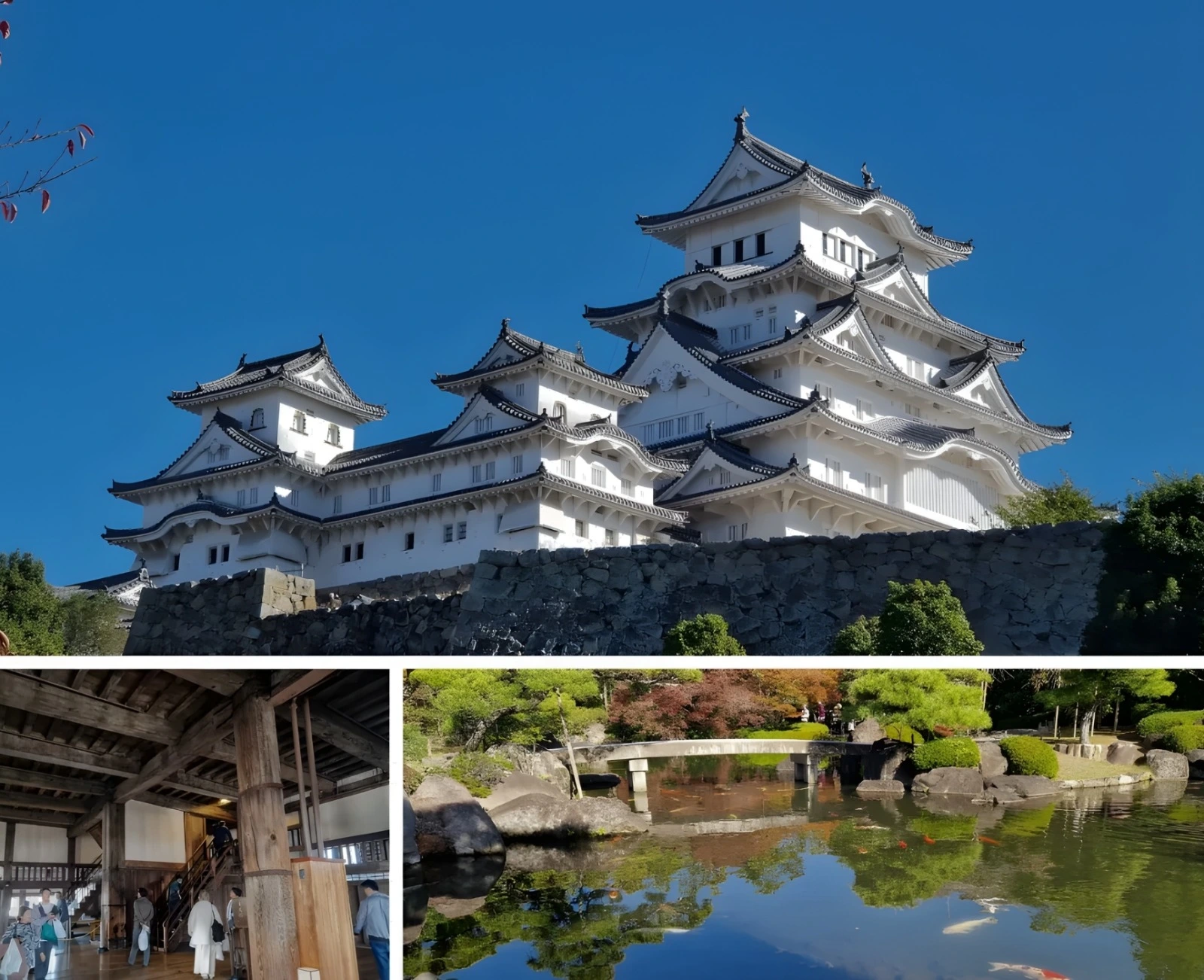
Osaka Castle & Umeda Sky Building- Osaka Castle (historical fortification systems)
- Umeda Sky Building (modern urban architecture and observation deck)
Students compare historical defense architecture with modern skyline engineering.
Day 8: Osaka to India - Journey Completion
Students check out from Osaka hotel and transfer to Kansai International Airport (KIX).
Depending on flight timing, breakfast is either provided at hotel or as packed meals.
Students depart for Delhi or Mumbai, completing their Japan educational journey
Why This Itinerary Works Educationally
This Japan school group tour is carefully layered:
- Tokyo builds technology awareness
- Tsukuba introduces robotics and space science
- Tsukuba introduces robotics and space science
- Kyoto develops cultural intelligence
- Osaka integrates science museums with urban learning
Students move from innovation → nature → heritage → applied science, creating a complete learning cycle.
Registration Process, Japan Visa Flow, Hotels, Inclusions, Safety Guidelines, FAQs & Final Conclusion
Planning a Japan School Group Tour involves more than choosing destinations. Because Japan operates on precision, punctuality, and strict service timelines, educational tours must be
prepared carefully in advance. From registration and visa documentation to hotel coordination and daily schedules, every step matters.
This section explains the practical side of organizing a Japan educational tour for students, so schools, colleges, and parents understand exactly how the process works.
Registration Process for Japan School Group Tours
The journey officially begins with group registration through a professional Japan School Group Tour Operator.
Registration generally includes:
- Passport copies of students and teachers
- Bonafide certificates from school or college
- Completed registration forms
- Initial registration payment
- Travel consent forms (for minors)
Once registration is completed, operators initiate:
- Airline seat blocking
- Hotel reservations in Tokyo and Osaka
- Technology visit permissions (TEPIA and JAXA)
- Transport scheduling
- Visa documentation preparation
Because Japan requires advance confirmations for hotels, coaches, and guides, institutions are advised to finalize student numbers early. Late changes can affect costs and availability.
Safety Measures During NASA Group Tours
- Group travel insurance
- Dedicated tour managers
- Private coaches for transfers
- Fixed daily schedules
- Emergency contact systems
- Medical assistance coordination
- Teacher supervision
Students remain with the group at all times. Headcounts are conducted regularly, and strict discipline is maintained during sightseeing. Before departure, students attend orientation sessions covering:
Group size plays a major role in pricing and logistics. These tours are designed for institutional travel, not individual bookings.
Understanding the Japan Student Visa Process
Japan visa procedures are systematic but document-intensive. For school and college groups, the tour operator coordinates most of the paperwork while students and parents provide required documents.
Typical Japan student visa flow:
- Passport submission
- Application form completion
- Financial documents from parents/guardians
- Bonafide certificate from institution
- Travel itinerary and hotel confirmation (provided by operator)
- Visa appointment and biometric submission (if applicable)
- Passport collection after approval
Students may be asked about:
- Purpose of visit
- Institution details
- Group travel information
- Return plans to India
Operators usually conduct orientation sessions so students understand interview expectations. Because this is a short-term educational tour, visas are applied under tourist/short-term categories supported by group documentation.
Meals During the Japan Group Tour
The Japan school tour package includes:
- Daily breakfast
- Lunch (restaurant or allowance on select days)
- Dinner at designated restaurants
What Is Included in the Japan Tour Package
While exact pricing may vary by season and group size, a standard Japan educational tour package generally includes:
- International flights (India–Tokyo / Osaka–India, economy class)
- All internal transfers by private coach
- Bullet train journey from Tokyo to Osaka
- Hotel accommodation in Tokyo and Osaka
- Daily meals (breakfast, lunch, dinner as per itinerary)
- Entry tickets to listed attractions
- TEPIA Advanced Technology Gallery robotics workshop
- JAXA visit
- Disneyland general admission
- Mount Fuji, Hakone Ropeway & Lake Ashi cruise
- Kyoto cultural visits and tea ceremony
- NIFREL science museum
- English-speaking tour manager/guide
- Group coordination and on-ground support
Safety Measures for Student Groups
Japan is among the safest countries globally, but structured safety planning is still essential.
Tour operators provide:
- Dedicated tour managers
- Private group coaches
- Pre-booked hotels
- Emergency coordination
- Teacher supervision throughout the journey
Students attend pre-departure orientation covering:
- Airport behavior
- Public etiquette in Japan
- Emergency contacts
- Group discipline
- Cultural sensitivity
Teachers travel with students at all times, ensuring academic oversight and behavioral guidance.
Final Thoughts: Why a Japan School Group Tour Shapes Future Thinkers
A Japan School Group Tour is not about ticking destinations off a checklist. It is about helping students see how future technologies already operate today. From robotics labs in Tokyo to aerospace learning at JAXA, from bullet trains to cultural tea ceremonies, students experience how innovation and tradition coexist in one of the world’s most disciplined societies.
They learn that progress is not only about machines it is also about mindset, respect, precision, and teamwork. For schools and colleges, this tour strengthens global exposure and applied learning.
For students, it often becomes their first real interaction with advanced technology ecosystems. With the right preparation and a reliable Japan Student Tour Operator, this journey becomes far more than travel.
FAQ's
1. Is the Japan School Group Tour suitable for first-time international student travelers?
Yes. The tour is designed specifically for student groups with full guidance, fixed schedules, pre-booked hotels, and teacher supervision. Professional tour managers accompany students throughout, making it comfortable even for first-time international travelers.
2. What kind of technology exposure do students get during the Japan educational tour?
Students visit TEPIA Advanced Technology Gallery for robotics workshops and JAXA for aerospace learning. They also observe smart city systems, bullet train engineering, and automation in daily life, helping them understand how future technologies are applied in real environments.
3. Do students need to know Japanese language before joining the tour?
No. English-speaking guides and tour managers support the group at every location. All workshops, explanations, and instructions are provided in English, so students can fully participate without any prior knowledge of Japanese.
4. What type of accommodation is provided during the Japan group tour?
Students stay in well-located hotels such as Citadines Shinjuku Tokyo and Citadines Namba Osaka or similar category properties. Rooms are shared among students, while teachers receive separate rooms. Hotels are chosen for comfort, safety, and accessibility.
5. Are meals included during the Japan School Group Tour?
Yes. Daily breakfast, lunch, and dinner are included as per itinerary. Some days provide lunch allowance. Dinners usually follow Japan’s early dining schedule. This structured meal plan helps students maintain routine and avoids extra daily expenses.
6. Does the tour include Mount Fuji and bullet train experiences?
Yes. Students visit Mount Fuji’s 5th Station and travel by Shinkansen bullet train from Tokyo to Osaka. These experiences teach geography, environmental awareness, and high-speed rail engineering, adding strong educational value beyond classroom learning.
7. Is this tour more educational or sightseeing-focused?
The tour balances both. While students enjoy cultural landmarks and theme parks, the core focus remains on robotics, aerospace learning, innovation systems, and cultural workshops. Every sightseeing element is linked with learning outcomes and real-world observation.