.jpg)

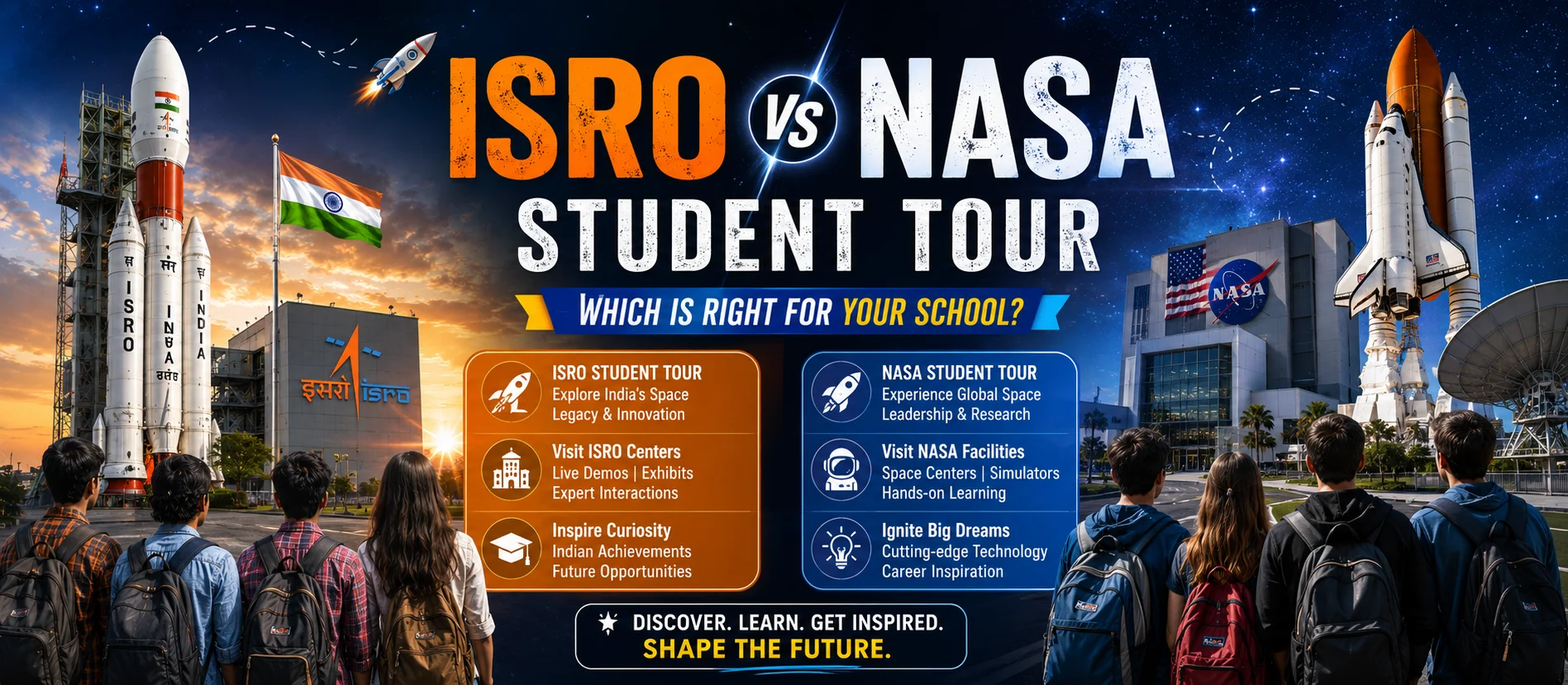
Every year, more schools and colleges are moving away from textbook-only science lessons and adding space education to their curriculum calendar. An ISRO vs NASA student tour decision is one of the most common questions teachers and trip coordinators ask once they decide to take this step. Both destinations offer rare, hands-on exposure to real space science, but they are built differently, priced differently, and suited to different kinds of student groups.
This guide breaks down what an ISRO student tour and a NASA student tour actually involve, how they compare on learning outcomes, cost, accessibility, and age suitability, and how a school can decide which one fits its goals for the year. Whether you are a teacher exploring a school space tour India option for the first time, or a college planning an international STEM trip, this comparison is built to help you make a confident, well-informed choice.
Why Space Education Matters for School Students
Space science sits at the intersection of physics, mathematics, engineering, and pure human curiosity. It is one of the few subjects that can hold a ten-year-old's attention and a final-year engineering student's attention at the same time. That is exactly why space-focused educational trips have become a regular part of school and college calendars across India.
Benefits of STEM Educational Tours
STEM educational tours give students a working model of how science, technology, engineering, and mathematics actually come together to solve real problems. A rocket launch is not just physics on a blackboard - it is propulsion, materials science, computer programming, weather forecasting, and teamwork happening at once. When students see this in person, abstract formulas start making practical sense, and many begin connecting their classroom subjects to real career paths in engineering, research, and aerospace.
Learning Beyond the Classroom
A classroom can explain how a satellite works. A space centre can show students the actual satellite, the clean rooms where it was assembled, and the engineers who built it. This kind of experiential learning fills gaps that no textbook diagram can. Students ask better questions, retain information longer, and often return from these trips with a noticeably sharper interest in science subjects.
Building Interest in Space Science and Innovation
India's own space achievements - from Chandrayaan-3's lunar landing to the Aditya-L1 solar mission - have created genuine excitement among young students. A well-planned space tour channels that excitement into something productive, introducing students to career options in aerospace engineering, robotics, astrophysics, and applied research that they may not have considered otherwise.
What is an ISRO Student Tour?
Overview of ISRO Educational Tour
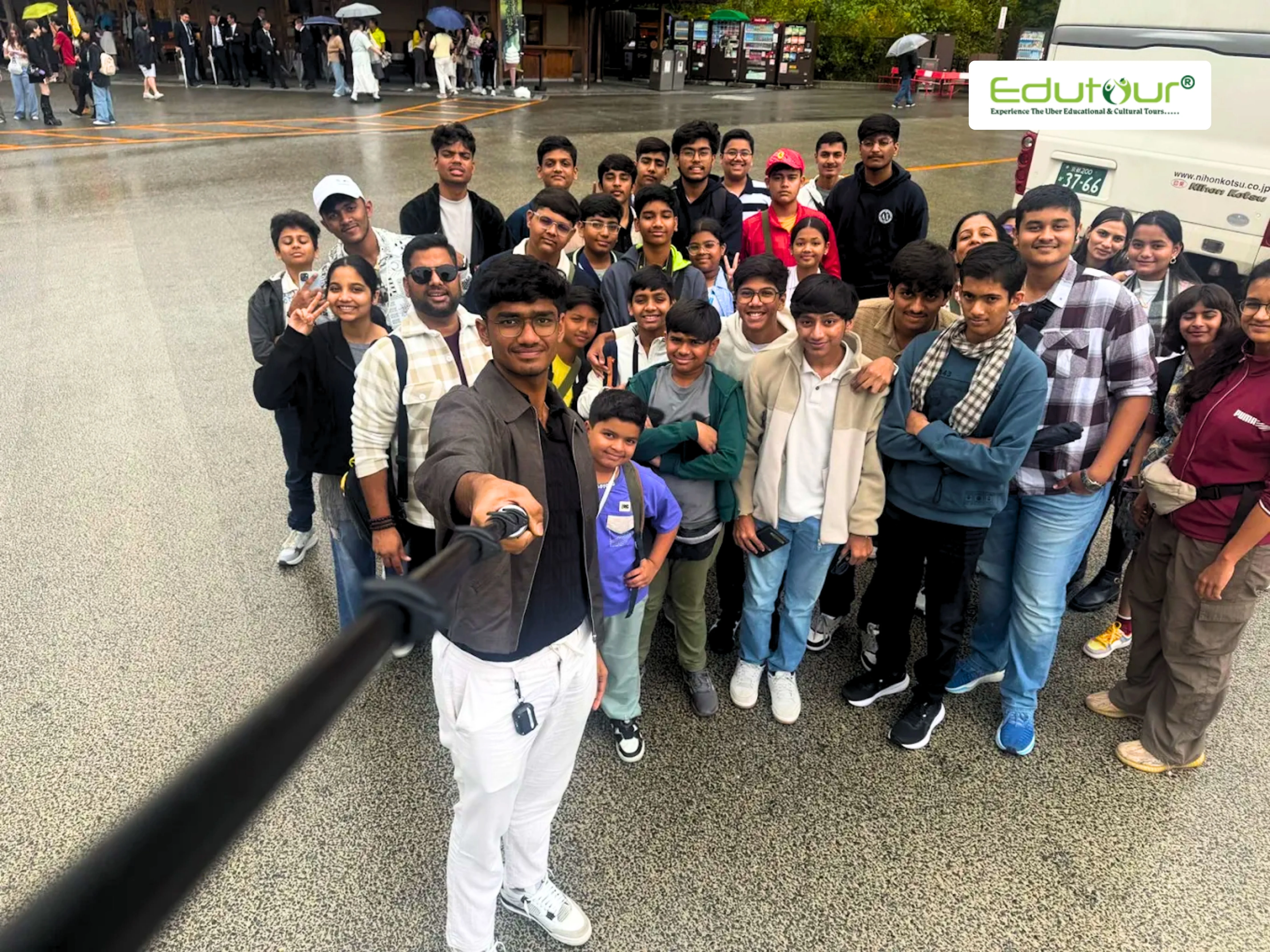
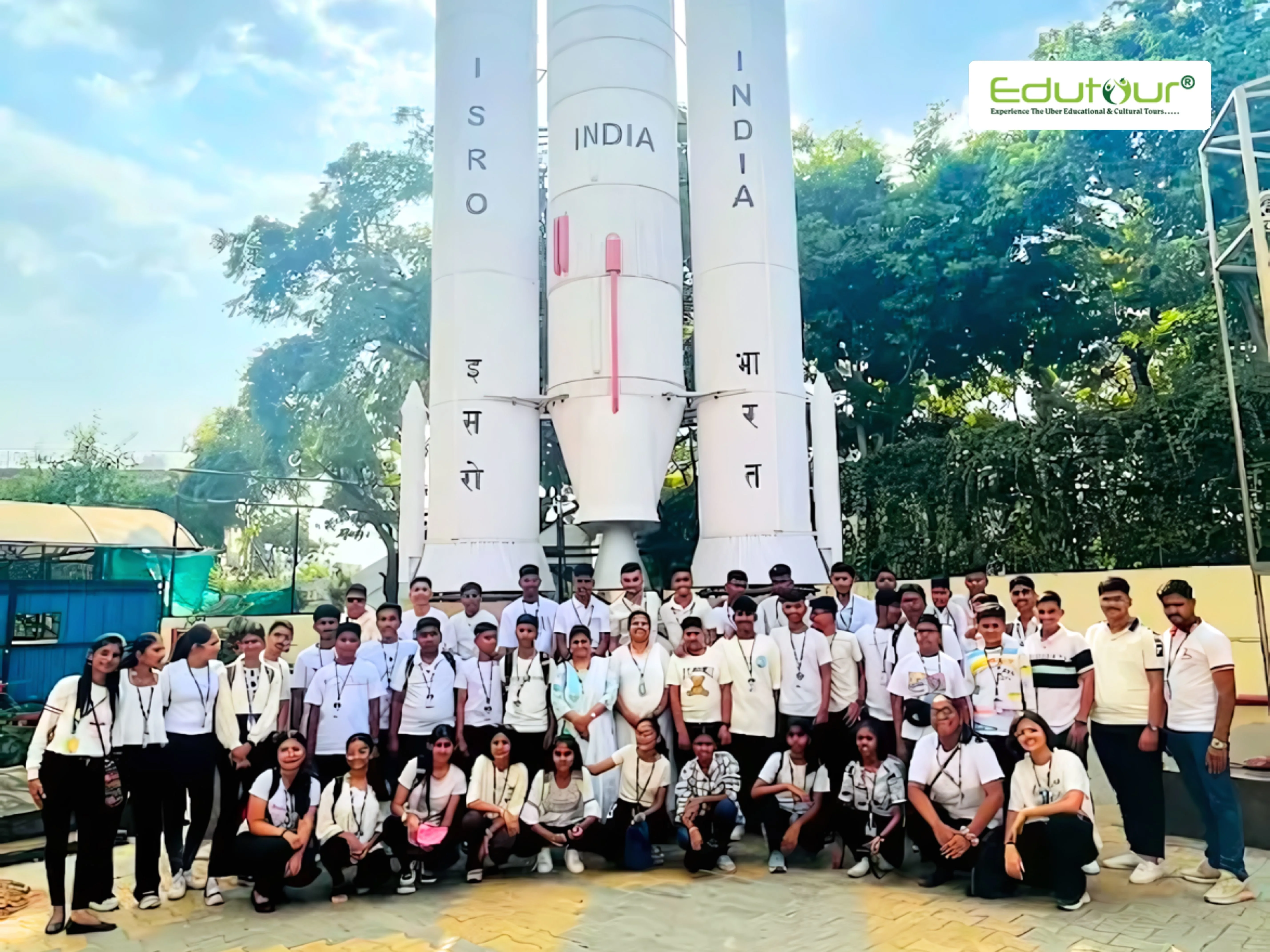
An ISRO educational tour takes students to one or more facilities run by the Indian Space Research Organisation, India's national space agency, established in 1969. ISRO operates under the Department of Space and is headquartered in Bengaluru, with major facilities also located in Sriharikota (Andhra Pradesh), Thiruvananthapuram, and Ahmedabad. These centres offer exhibition halls, satellite assembly viewing areas, and in some cases, rocket launch viewing galleries for the public and student groups.
Who Can Join an ISRO Tour for Students?
An ISRO tour for students is generally open to school groups from upper primary level through senior secondary, as well as undergraduate engineering and science students. Most centres require advance permission and group bookings through a registered tour operator, since individual walk-in access is limited and subject to security clearance.
What Students Experience During an ISRO School Tour
During an ISRO school tour, students typically visit the Space Science Exhibition, view scale models of Indian satellites and launch vehicles such as the PSLV and GSLV, and in some cases get a glimpse of the Vehicle Assembly Building or satellite integration facilities from designated viewing zones. Centres like Sriharikota also host the Space Science and Technology Museum, which traces the complete history of India's launch programme. For groups visiting during an active launch window, ISRO opens a free public viewing gallery, though registration for this fills up quickly.
What is a NASA Student Tour?
Overview of NASA Educational Tour
A NASA educational tour introduces students to the United States' space agency, established in 1958, known for missions like the Apollo Moon landings, the Hubble Space Telescope, and the International Space Station. NASA operates several visitor-friendly facilities, including the Kennedy Space Center Visitor Complex in Florida, the Johnson Space Center in Houston, and various NASA-affiliated science centres that run dedicated education programmes for international student groups.
Who Can Join a NASA Tour for Students?
A NASA tour for students is open to international school and college groups through approved educational travel programmes. Since NASA's working facilities have stricter security access than its public visitor complexes, most student programmes focus on visitor centres, astronaut training simulators, and curated STEM workshops rather than direct access to active research labs.
What Students Experience During a NASA School Tour
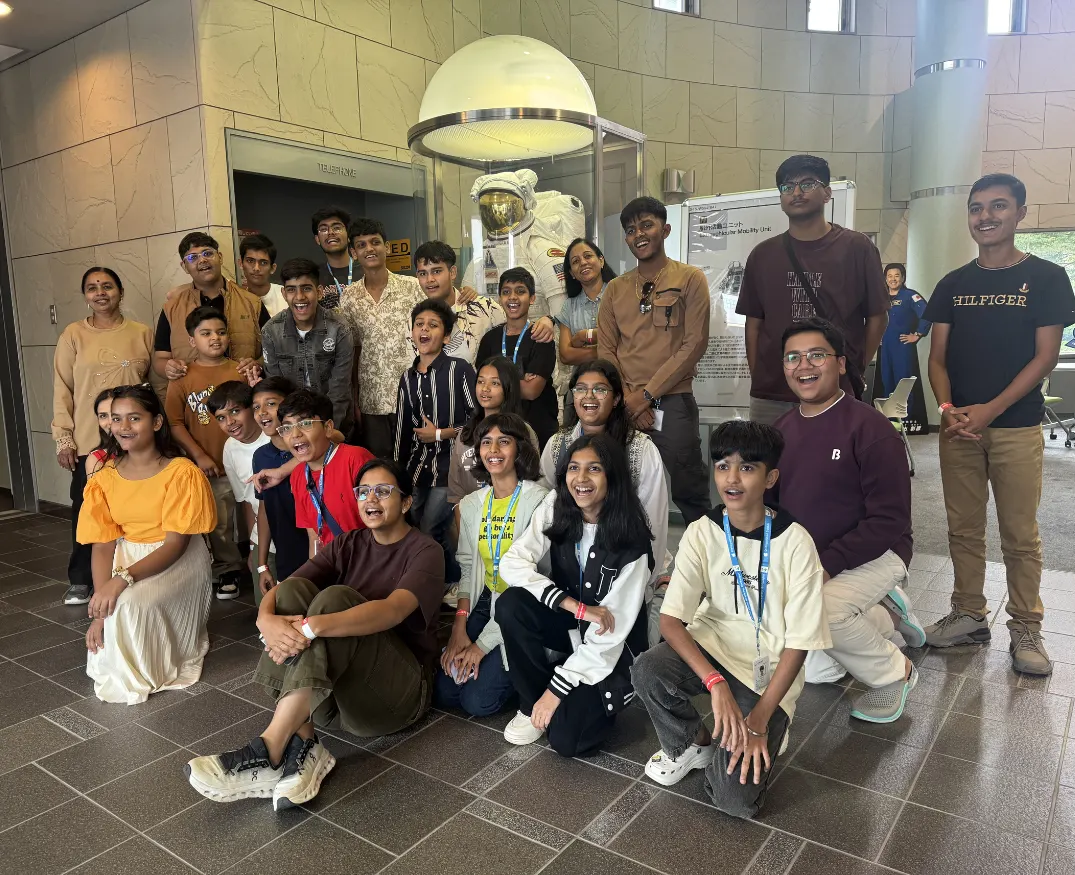
A typical NASA school tour includes simulator-based astronaut training experiences, full-scale rocket displays such as the Saturn V, IMAX space documentaries, robotics and engineering workshops, and guided sessions on Mars exploration and the Artemis programme. Some tours also combine NASA visits with broader STEM city experiences, science museums, and university campus visits in the same itinerary.
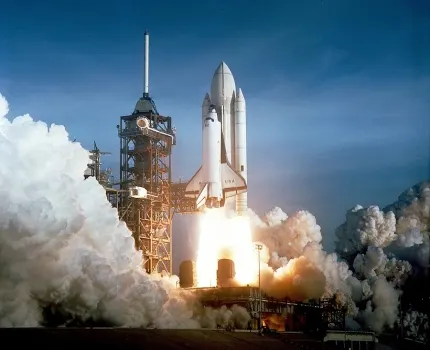
ISRO vs NASA Student Tour – Quick Comparison Table
| Parameter | ISRO Student Tour | NASA Student Tour |
| Location | India (Bengaluru, Sriharikota, and other centres) | United States (Florida, Houston, and other sites) |
| Travel Type | Domestic | International |
| Best Suited For | School and college groups across India | Senior school students and college groups with international travel readiness |
| Cost | Comparatively affordable | Higher, due to international travel |
| Permission Process | Group booking with advance approval | Visa, international booking, and programme approval |
| Exposure | Indian space missions, indigenous technology | Global space history, advanced simulators |
| Trip Duration | Typically 1–3 days | Typically 7–12 days, combined with other destinations |
| Language Barrier | None | Minimal, English-medium programmes |
Difference Between ISRO and NASA Student Tours
Learning Experience
The difference between ISRO and NASA student tours starts with what students actually learn. An ISRO tour focuses on understanding India's own space journey - how a country with a modest budget achieved missions like Mangalyaan and Chandrayaan-3. A NASA tour, on the other hand, exposes students to a much larger, more resource-intensive space programme with decades of crewed spaceflight history.
Space Research Exposure
ISRO centres give students closer proximity to current Indian satellite and launch vehicle programmes, including live mission context when timed well. NASA's public-facing centres lean more toward curated historical exhibits and simulator-based learning, since direct access to active research areas is more restricted for visiting groups.
Technology and Innovation
NASA's visitor complexes showcase decades of accumulated aerospace technology, including retired space shuttles and Apollo-era hardware. ISRO's facilities highlight cost-efficient engineering and indigenous innovation, which resonates strongly with Indian students studying frugal engineering and applied physics concepts in their own curriculum.
Practical Activities
NASA tours generally include more interactive simulator stations, training rigs, and astronaut experience zones designed for tourists and student groups. ISRO tours lean toward exhibition-based learning supported by guided technical explanations from staff, with occasional hands-on demo stations depending on the centre.
Student Engagement
Both tours are highly engaging, but in different ways. NASA's polished visitor infrastructure is built for large-scale public engagement and entertainment-style learning. ISRO's facilities offer a more grounded, technical engagement style, often appealing strongly to students with a serious interest in engineering and applied science.
International Exposure
A NASA trip naturally adds an international travel dimension - flights, visas, currency exchange, and cultural exposure - which is valuable for senior students preparing for higher studies abroad. An ISRO trip keeps the focus purely on the subject matter without the added complexity of international logistics.
ISRO Student Tour – Pros and Cons
|
Pros: ✓ Affordable and accessible for schools across India ✓ No visa or international travel requirements ✓ Strong alignment with the Indian science curriculum ✓ Shorter trip duration, easier to schedule around the academic calendar ✓ Opportunity to witness India's own space achievements firsthand |
Cons: ✗ Limited direct access to active research areas due to security protocols ✗ Fewer interactive simulator-style activities compared to NASA visitor centres ✗ Visit slots and launch viewing galleries can fill up quickly |
NASA Student Tour – Pros and Cons
|
Pros: ✓ Access to globally recognised space history and technology ✓ Strong simulator and astronaut-training style activities ✓ Can be combined with broader US educational and STEM city tours ✓ High motivational value for students considering study-abroad paths |
Cons: ✗ Significantly higher cost due to international airfare, visa, and stay ✗ Longer planning timeline, including visa processing ✗ Longer trip duration needed to justify the travel cost ✗ May not be age-appropriate or feasible for younger student groups |
Which is Better-ISRO or NASA Student Tour?
.webp)
.webp)
There is no single right answer here - the better choice depends entirely on your school's goals, budget, and student profile.
Budget
If the school is working with a moderate trip budget, an ISRO tour is the more practical choice. A NASA tour requires a considerably larger budget once flights, visa fees, accommodation, and local transport are factored in.
Student Age
ISRO tours work well across a wide age range, including middle school students. NASA tours are generally better suited to senior secondary and college-level students who can manage longer international travel comfortably.
School Objectives
If the goal is to strengthen curriculum-linked science learning within a short trip window, ISRO fits naturally. If the objective includes international exposure and broader career inspiration, a NASA tour adds more value.
Curriculum
Schools following CBSE, ICSE, or state board science curricula will find ISRO's content directly relevant to topics already being taught. NASA's content is more globally oriented and works well as a supplementary, aspirational learning experience.
International Exposure
For schools that want students to experience travel documentation, currency handling, and cross-cultural communication as part of the learning outcome, NASA naturally builds in that exposure. ISRO tours stay domestic and logistically simpler.
STEM Learning Goals
Both destinations support STEM learning goals strongly, but in different formats - ISRO through guided technical exhibits, and NASA through interactive simulator-based modules.
Cost Comparison – ISRO vs NASA Educational Tour
Cost is usually the deciding factor for most schools. An ISRO vs NASA educational tour comparison on price typically shows a significant gap. ISRO trips, being domestic, involve standard travel, accommodation, and entry costs that are manageable within most school trip budgets. NASA trips involve international airfare, visa processing fees, US accommodation, local transport, and currency conversion, which can push the total cost several times higher than a domestic equivalent - even for a shorter group size. Schools should request a detailed, itemised quote from their tour operator for both options before finalising a decision, since pricing varies based on group size, season, and add-on destinations.
Who Should Choose an ISRO Student Tour?
Schools working with a defined, moderate budget, looking for a short and logistically simple trip, and wanting to reinforce the existing science curriculum are best suited to an ISRO student tour. It also works well for younger student groups who may not yet be ready for long international travel, and for schools planning their first-ever space-focused educational trip.
Who Should Choose a NASA Student Tour?
Schools and colleges with senior students, a larger trip budget, and a goal of building international exposure alongside space education should consider a NASA student tour. It is particularly valuable for students exploring future study-abroad plans or careers in aerospace and engineering on a global scale.
Best Space Tour for Students: Which Offers More Value?
When evaluating the best space tour for students, value should not be measured only in rupees spent - it should be measured against learning outcomes per trip. An ISRO tour offers high educational value at a lower cost, making it an efficient choice for most Indian schools. A NASA tour offers a broader, more immersive experience at a higher cost, justified mainly when international exposure is a specific goal for the group. For many schools, a smart long-term approach is to start with an ISRO tour in earlier years and consider a NASA trip for senior batches once budgets and travel readiness align.
How to Plan an ISRO Student Tour
.webp)
.webp)
Permission Process
ISRO centres require advance booking and approval for student group visits. This is usually managed through a registered educational tour operator who handles documentation, group registration, and coordination with the respective ISRO facility well ahead of the planned visit date.
Group Size
Most centres accommodate group sizes ranging from 20 to over 100 students, depending on the facility and available time slots. Larger groups should confirm capacity limits early, since some exhibition areas have restricted visitor numbers per slot.
Best Time to Visit
Visits scheduled outside major exam periods and during the academic year's field-trip windows tend to have better availability. If the goal includes witnessing a rocket launch, the timing must align with ISRO's published launch schedule, and viewing gallery registration should be tracked closely as it opens.
Booking Tips
Always confirm visit details directly with the specific ISRO centre or through your tour operator, since visitor policies can vary between locations and change periodically. Booking at least a few weeks in advance is recommended to secure preferred dates.
Can Indian Students Visit NASA?
Yes. Indian students can visit NASA's public visitor complexes, such as the Kennedy Space Center Visitor Complex and Space Center Houston, through standard international travel with a valid US visa. These facilities are open to international tourists and education groups, and many also offer dedicated STEM workshops and group programmes designed specifically for visiting student batches. Direct access to NASA's active research labs, however, is restricted and not part of standard student visitor programmes.
Tips for Planning Educational Space Tours for Schools
| ✓ Define the trip's primary learning objective before choosing a destination |
| ✓ Match the destination to the age group and travel readiness of students |
| ✓ Get a detailed cost breakdown, including hidden costs like travel insurance and local transport |
| ✓ Plan well in advance, especially for international destinations requiring visas |
| ✓ Choose a tour operator experienced specifically in educational space tours for schools, not general tourism packages |
| ✓ Brief students beforehand on what they will see, so the trip builds on existing classroom learning |
Why Schools Choose Edutour for Space Education Trips
Planning either an ISRO or a NASA student tour involves coordination across permissions, group logistics, safety planning, and itinerary design - all of which need to work smoothly within a school's academic calendar. Edutour specialises in organising educational tours for schools and colleges, handling everything from destination selection and permissions to travel, accommodation, and on-ground supervision, so teachers can focus on the learning experience rather than the logistics.
Conclusion
Both ISRO and NASA offer genuinely valuable learning experiences, and the right choice comes down to your school's budget, student age group, and learning objectives. An ISRO student tour is a practical, curriculum-aligned, and budget-friendly option that works well for most Indian schools, especially for first-time space education trips. A NASA student tour offers a broader, internationally immersive experience best suited to senior students with the budget and readiness for international travel. Whichever direction your school chooses, the goal remains the same - giving students a real, hands-on connection to the science they study every day in the classroom.
Seats and centre approvals are limited. Contact EduTour today at +91 9694020905 to plan your next space education trip and give your students a head start.
Frequently Asked Questions (FAQs)
Q1. Which is better, ISRO or NASA student tour?
Neither is universally better - it depends on your school's budget, student age, and goals. ISRO suits budget-conscious, curriculum-focused trips, while NASA suits senior students seeking international exposure and a larger learning experience.
Q2. What is the difference between ISRO and NASA student tours?
The main differences lie in location, cost, and exposure type. ISRO tours are domestic, affordable, and curriculum-aligned, while NASA tours are international, costlier, and offer broader global space history and simulator-based activities.
Q3. Can Indian students visit NASA centres?
Yes, Indian students can visit NASA's public visitor complexes like Kennedy Space Center with a valid US visa through organised international educational tour programmes designed for student groups.
Q4. How do I plan an ISRO student tour for my school?
Planning involves selecting a suitable ISRO centre, booking through a registered tour operator, securing advance group permission, and scheduling the trip around the academic calendar and, if possible, a launch window.
Q5. What is the typical cost of an ISRO educational tour compared to NASA?
ISRO tours are significantly more affordable since they are domestic trips. NASA tours cost considerably more due to international airfare, visa fees, and longer trip duration required to justify the travel.
Q6. What age group is suitable for an ISRO or NASA student tour?
ISRO tours suit a wide range, including middle and senior school students. NASA tours are generally better suited to senior secondary and college students due to the longer international travel involved.
Q7. Are ISRO and NASA tours suitable for non-science students too?
Yes. While these tours strongly benefit science and STEM students, the exposure to innovation, history, and global achievement also offers valuable, broadening experiences for students from other academic streams.
Q8. How far in advance should schools book an ISRO or NASA student tour?
For ISRO tours, booking a few weeks in advance is generally sufficient. For NASA tours, schools should begin planning several months ahead to allow time for visa processing and international travel arrangements.